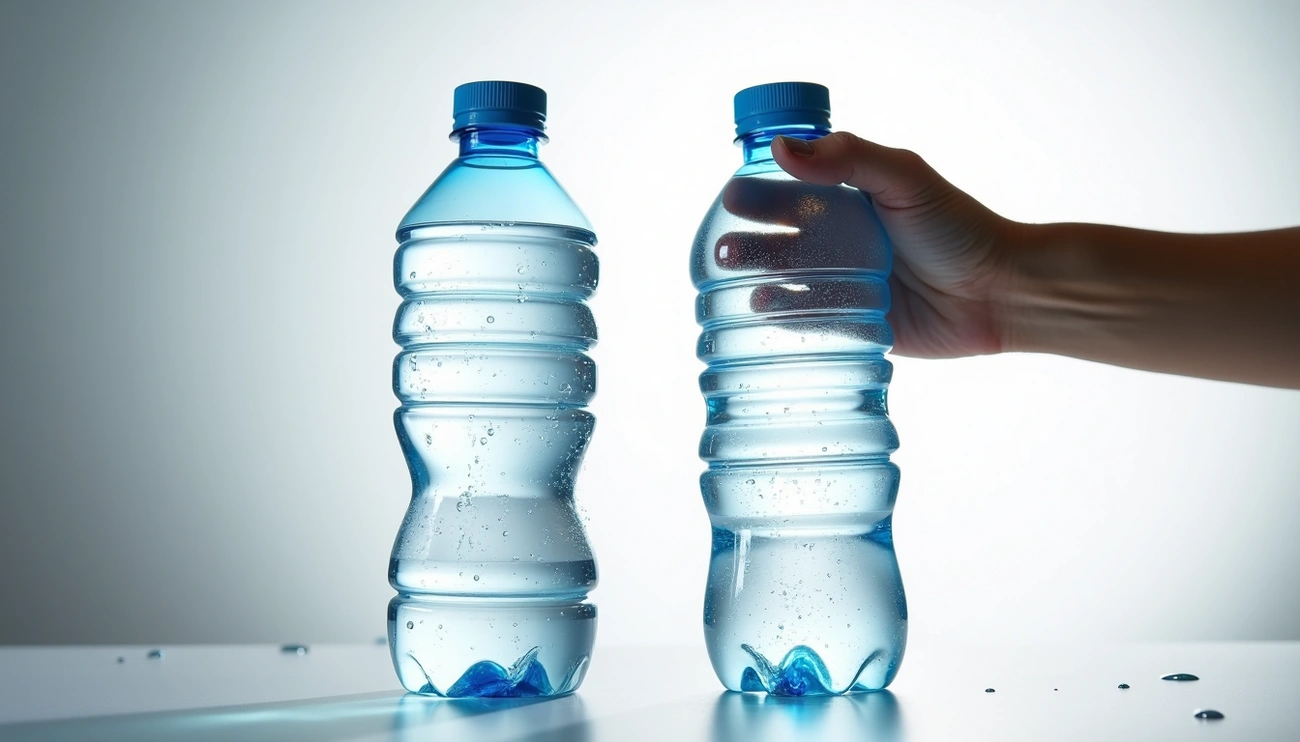
Water bottles have ridges to increase strength, improve grip, and reduce plastic use. Ridges reinforce the bottle walls, preventing collapse under pressure changes while using less material. They also improve hand grip and help bottles regain shape after squeezing, which supports durability and cost efficiency.
The visible benefits of ridges on water bottles
The ridges on water bottles serve practical purposes that enhance our daily hydration experience. These textured patterns offer several tangible benefits, making bottles more functional and user-friendly.
Improved grip and handling
The middle section of most bottles is intentionally designed to be thinner than the rest of the body. This isn’t merely an aesthetic choice but a thoughtful ergonomic feature that creates a natural holding area where your fingers comfortably wrap. This design consideration becomes particularly helpful for individuals with smaller hands, such as children, or in situations that demand one-handed use.
Furthermore, bottle caps often feature thin vertical lines or ridges that increase friction between your fingers and the surface. Consider this scenario: you’re enjoying oily chips and suddenly need to open your drink. Without these ridges, your slippery fingers would struggle with a smooth cap, forcing you to find a cloth or napkin.
Prevention of accidental slips
One crucial advantage of rigid bottles is their ability to remain secure in your grasp even in challenging conditions. The textured surface provides enhanced friction, preventing slipping, especially when your hands are wet or sweaty.
For plastic bottles, these grooves (also called ribs, flutes, or corrugations) serve multiple purposes, combining engineering practicality with user-centred design. The texturing makes holding the bottle safer in various environments—from gym workouts to outdoor hikes.
Comfort during long use
Imagine an athlete running a marathon with a water bottle in hand. In this scenario, the bottle isn’t simply a container—it’s a critical tool for maintaining hydration without breaking stride. The ridges allow for a steady grip despite sweaty or shaking hands from exertion.
Some premium sports bottles feature specialized grip patterns designed with extended use in mind:
- Diamond-grip patterns combined with ergonomic handles for confident control
- Silicone bumpers that protect against impacts while maintaining a secure grip
- Textured surfaces that ensure slip-resistance during intense activities
These thoughtful design elements transform ordinary bottles into reliable companions for extended use, whether during fitness activities, outdoor adventures, or simply throughout a busy day.
Structural and manufacturing advantages
Beyond the practical benefits for users, water bottles have ridges primarily due to clever engineering principles. These design elements serve crucial functions in both structural integrity and manufacturing efficiency.
Why do plastic water bottles have ridges?
The ridges on plastic water bottles serve as an “invisible skeleton,” efficiently dispersing pressure across the bottle’s surface. These reinforcing ribs distribute stress evenly, much as an arch bridge does. Moreover, they allow manufacturers to use thinner plastic while maintaining necessary strength. This engineering approach creates bottles that resist deformation yet remain lightweight—saving materials and reducing production costs.
How ridges prevent bottle collapse
Plastic bottles face constant challenges from both internal and external forces. Internally, carbonated beverages create pressure that could cause bulging. Externally, bottles must withstand squeezing, stacking, and transportation stresses.
The ridges act as reinforcement, preventing the thin-walled cylinder from collapsing under these pressures. In fact, without these structural elements, a smooth cylindrical bottle would likely collapse in your hands even while opening it.
Role of ridges in blow molding
During the blow moulding process, a heated plastic tube (parison) is expanded into a mould cavity using compressed air. The ridges help guide this expansion process, ensuring:
- More even material distribution
- Consistent wall thickness
- Reduced thin spots or weak points
Consequently, the manufacturing becomes more efficient with less material waste.
Why do bottles have a concave bottom?
That distinctive indentation at the bottom of the bottle (called a punt, dimple, or push-up) serves several practical purposes. First, it provides essential stability, creating a circular contact ring that prevents wobbling.
Second, it increases structural strength against pressure changes. Lastly, if the bottom were flat, cooling during manufacturing could cause it to bulge outward, resulting in unstable bottles that won’t stand upright. The concave design elegantly solves these problems.
Design, branding, and material differences
Water bottles come in various designs and materials, each with distinct features that serve specific purposes. The ridges and textures we see across different bottle types reveal fascinating insights into their intended use and manufacturing considerations.
Why do hot water bottles have ridges?
Unlike regular water bottles, hot water bottles feature a ribbed texture for safety. These ribs primarily reduce direct skin contact with the hot rubber surface, creating small air pockets that help mitigate burn risks. Correspondingly, the textured pattern provides gentler warmth by limiting the surface area that comes into contact with your skin.
Many hot water bottles have ribs on only one side—a thoughtful design choice that balances safety with comfort. The ribbed side offers protection from excessive heat, whereas the smooth side allows for closer warmth when desired.
Aesthetic and branding considerations
Apart from functional benefits, ridges serve as powerful branding elements. Manufacturers carefully design distinctive ridge patterns to create visual identity and reinforce brand recognition.
These textures can mask minor surface imperfections from the molding process while simultaneously shaping how light interacts with the bottle. Strategic placement of logos and brand elements ensures visibility even from a distance.
For instance, some companies position their branding around the neck or base of the bottle, creating an ongoing advertisement with each use.
Differences between glass and plastic bottles
Glass and plastic bottles differ significantly in both composition and performance. Glass bottles, typically made from borosilicate or soda-lime materials, offer a non-reactive surface that doesn’t leach chemicals or affect taste.
Nevertheless, they tend to be heavier and more prone to breaking than their plastic counterparts. In contrast, plastic bottles—often made from PET or BPA-free Tritan—provide lightweight portability and impact resistance ideal for active lifestyles. However, they may develop odours over time and provide minimal insulation.
The distinctive ridges on plastic water bottles primarily enhance structural integrity, whereas glass bottles might incorporate textured elements primarily for grip enhancement, since glass naturally offers greater rigidity.
Practical uses and real-world examples
From athletes to DIY enthusiasts, rigid bottles offer numerous practical advantages in everyday situations. Let’s explore some real-world applications that demonstrate why these textured features matter.
How athletes benefit from rigid bottles
Triathletes have discovered that water bottles serve purposes beyond mere hydration. In competitive settings, some athletes strategically place bottles against their chest, creating an aerodynamic “fairing” effect.
One athlete achieved a remarkable 5.4% drag reduction with this technique, saving approximately 12.4 watts and potentially shaving 2 minutes off an Ironman race time.
Moreover, these bottles can serve dual purposes—athletes sometimes use frozen bottles against their chest to stay cool during hot races or warm bottles to maintain core temperature in colder conditions.
DIY uses: planters and organizers
Plastic bottles with ridges make excellent upcycled planters. Creating these eco-friendly containers requires minimal effort:
- Cut the bottle in half using a utility knife
- Paint the bottom portion (multiple layers if necessary)
- Add googly eyes for decoration
- Fill with soil and add a plant
For self-watering planters, place fabric over the bottle mouth and secure it with a rubber band, allowing water to wick up from the bottom section. These planters work particularly well for cacti, succulents, and herbs.
Quick fixes: rubber bands and cleaning tips
Rubber bands offer simple solutions for common bottle problems. Cyclists use them to prevent bottles from launching out of cages during bumpy rides—simply loop bands through the bottle cage and over the nozzle for secure attachment. Additionally, rubber bands wrapped around bottle lids create a better grip for stuck caps.
For cleaning smelly bottles, try this effective method: combine a teaspoon of bleach with a teaspoon of baking soda, fill with water, let sit overnight, rinse thoroughly, and allow to air dry completely. Another quick fix involves rinsing with anti-bacterial mouthwash to eliminate persistent odours.
Conclusion
In conclusion, water bottles have ridges primarily to improve their strength, flexibility, and usability. These ridges help the bottles withstand pressure changes during filling, transportation, and handling without breaking or deforming.
Additionally, the ridges provide better grip, making the bottles easier to hold and carry. They also contribute to the bottle’s structural integrity by distributing stress more evenly, which allows for thinner plastic use and reduces material consumption. Overall, the ridges enhance both the functionality and durability of water bottles.
