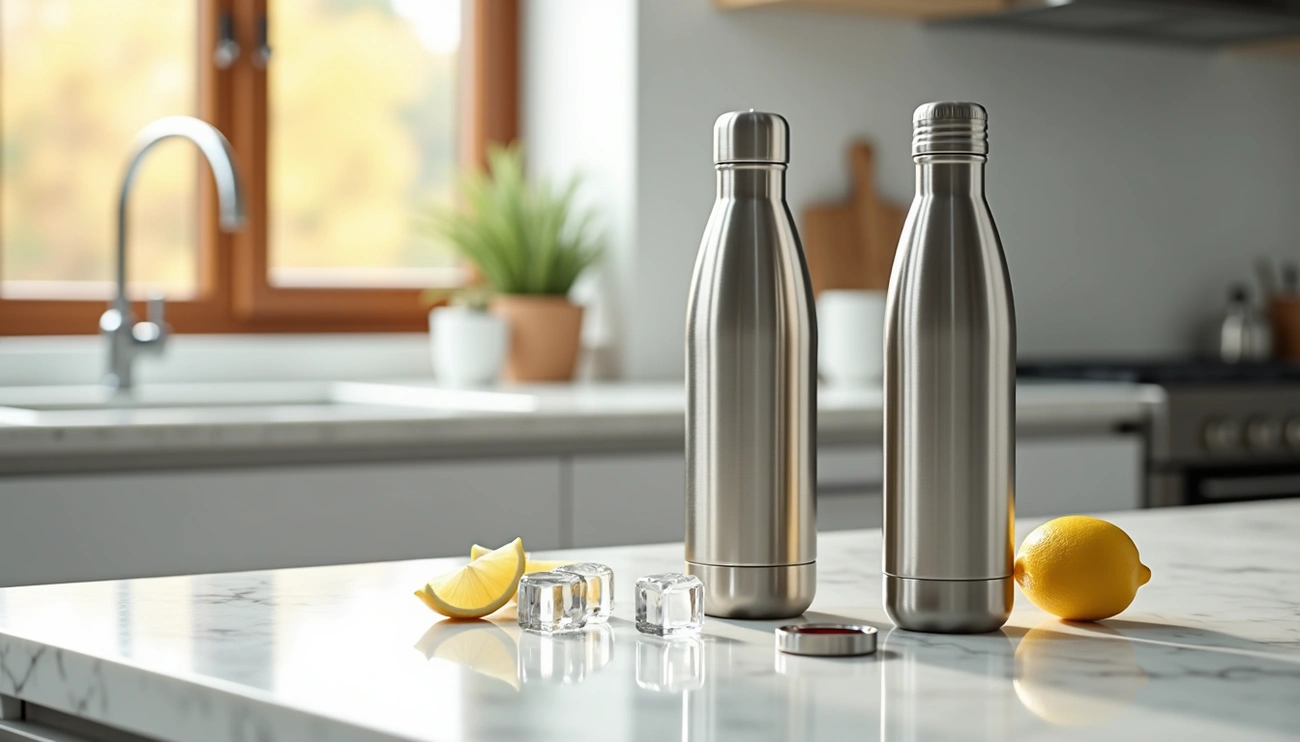
Metal water bottles are made from food-grade stainless steel or aluminum. Stainless steel, such as 18/8 or 304 grade, is preferred because it is non-reactive, durable, and insulates well. Aluminum bottles require a protective inner liner to prevent reactions with liquids. Some bottles also use copper or recycled metals.
What are most metal water bottles made of?
Metal water bottles have surged in popularity as environmentally conscious consumers seek alternatives to single-use plastic. Understanding what these bottles are made of helps you make informed decisions about your hydration needs.
Common metals used: aluminum, stainless steel, titanium
The three primary metals used in water bottle manufacturing include:
Stainless Steel: The most prevalent choice, particularly food-grade 18/8 stainless steel (also known as 304 stainless steel). This designation indicates 18% chromium and 8% nickel composition, offering excellent corrosion resistance and durability.
Aluminum: Considerably lighter than stainless steel and typically less expensive. However, since aluminum reacts with acidic liquids, these bottles require protective liners—often made of enamel, resin, or epoxy—to prevent metal leaching.
Titanium: A premium option that stands out due to its remarkable lightweight properties, biocompatibility, and superior corrosion resistance. Nevertheless, titanium bottles typically cost over $80, making them a niche product compared to mainstream stainless steel options.
Why metal is preferred over plastic or glass
Metal water bottles dominate the market for several compelling reasons. First, they don’t contain harmful chemicals like BPA or phthalates that can leach into your beverages. Additionally, stainless steel bottles are non-reactive, ensuring your water remains pure regardless of temperature.
Furthermore, metal bottles offer exceptional durability. Unlike their plastic or glass counterparts that crack, dent, or degrade over time, high-quality metal bottles can withstand daily wear and tear for years.
Overview of manufacturing processes
The production of insulated metal water bottles involves a fascinating process. Most commonly, manufacturers start with stainless steel pipes cut to appropriate lengths. These pieces undergo either water expansion (where enormous pressure expands the pipe into a bottle shape) or deep drawing (where flat stainless sheets are pressed into shape).
For insulated bottles, manufacturers create inner and outer containers, assemble them concentrically, and weld them together. The critical step involves creating a vacuum between these layers, which prevents heat transfer and provides insulation. After rigorous testing for leaks and temperature retention, the bottles receive decorative finishes and packaging.
Aluminum vs stainless steel water bottle: key differences
Choosing between aluminum and stainless steel bottles involves weighing several important factors. Let’s examine the key differences that might influence your decision.
Weight and portability
Aluminum bottles are significantly lighter than their stainless steel counterparts, making them ideal for activities where every ounce matters. This weight advantage becomes noticeable during extended carrying periods, such as hiking trips or long commutes. Although both materials serve the same purpose, aluminum offers superior portability, especially for children or those concerned about carrying heavier items throughout the day.
Durability and dent resistance
Despite appearances, these materials differ substantially in durability. Stainless steel demonstrates remarkable resistance to impacts, dents, and scratches. Conversely, aluminum bottles dent more easily when dropped and have a notably shorter lifespan. This durability gap becomes particularly evident with regular use—stainless steel bottles can withstand years of daily wear, whereas aluminum options may need replacement sooner.
Reactivity and need for liners
Perhaps the most critical difference lies in reactivity. Aluminum is inherently reactive with liquids, especially acidic or hot beverages. Consequently, all aluminum bottles require protective inner linings made from enamel, polymer, resin, or epoxy to prevent metal leaching. Meanwhile, stainless steel remains non-reactive and doesn’t require additional barriers between the metal and your beverage.
Insulation and temperature control
Stainless steel bottles, particularly those with double-wall vacuum insulation, provide superior temperature retention. Quality models can maintain cold drinks for up to 24 hours and hot beverages for approximately 12 hours. Alternatively, aluminum bottles offer minimal insulation properties, failing to maintain temperatures effectively for extended periods.
Cost comparison
Initially, aluminum bottles present a more affordable option. Nevertheless, stainless steel bottles, though pricier upfront, typically provide better long-term value through increased durability and superior functionality. Essentially, aluminum appeals to budget-conscious buyers seeking lightweight options, while stainless steel attracts those prioritizing longevity and performance.
How to tell what your bottle is made of
Figuring out what your water bottle is made of can be tricky, as many bottles look similar at first glance. Fortunately, several simple tests can help you identify your bottle’s material without specialized equipment.
Magnet test explained
One of the quickest ways to identify your bottle’s material is with a magnet. Aluminum is never magnetic, making it easy to rule out. Stainless steel, on the other hand, varies in its magnetic properties depending on the type:
- Strong magnetic attraction: Likely indicates 400-series stainless steel
- Weak or no attraction: Probably 300-series stainless steel (like 304 or 316)
- Inconsistent magnetic response: If only some parts of your bottle attract a magnet, it may be 300-series stainless that underwent cold-working during manufacturing
First, try placing a small fridge magnet on different areas of your bottle to observe the reaction.
Weight and shine as indicators
The heft of your bottle offers immediate clues about its composition. Stainless steel bottles feel noticeably heavier than aluminum ones because stainless steel has nearly triple the density. Additionally, each metal has distinctive visual characteristics:
- Stainless steel: Typically has a cooler, slightly grayish silver tone with either a brushed or mirror-like finish
- Aluminum: Usually displays a brighter, softer silver appearance and often features colored coatings
Hybrid construction: mixed materials
Some manufacturers use multiple materials in a single bottle. For instance, a bottle might have a stainless steel base attached to an aluminum body. In these cases, the magnet test may yield different results on various parts of the bottle. Examine seams carefully, as they often indicate where different materials join together.
Label and brand clues
Reputable manufacturers typically indicate materials on labels or their websites. Look for designations like:
- “18/8” or “304”: Indicates food-grade stainless steel with 18% chromium and 8% nickel
- “316”: Refers to marine-grade stainless steel with added molybdenum
- “AL” or explicit “aluminum” references
Ultimately, combining these identification methods provides the most reliable assessment of your bottle’s composition.
Is stainless steel the safest water bottle material?
When safety is your priority, not all metal bottles are created equal. Food-grade stainless steel stands out as the gold standard for reusable water bottles.
What makes 18/8 stainless steel safe
The “18/8” designation indicates a composition of 18% chromium and 8% nickel, creating a rust and corrosion-resistant material. This food-grade stainless steel forms a passive oxide layer that prevents harmful substances from leaching into your beverages. Above all, it doesn’t contain BPA, phthalates, or other harmful chemicals commonly found in plastic alternatives.
BPA and liner concerns in aluminum
In contrast to stainless steel, aluminum bottles require protective inner linings—often made from epoxy or plastic—to prevent metal leaching. Some older aluminum bottles contained BPA in these linings. Even BPA-free linings raise concerns as researchers worry other potentially harmful chemicals might be used instead.
Taste and odor retention
Stainless steel’s non-porous surface resists bacterial growth and doesn’t retain odors or stains. This smooth, inert surface doesn’t react with water, maintaining its pure taste. Indeed, many users report that water tastes better from stainless steel because it stays fresh longer without absorbing flavors from previous beverages.
Dishwasher safety and cleaning tips
High-quality 18/8 stainless steel bottles typically withstand dishwasher cleaning. For optimal maintenance:
- Use vinegar for natural disinfection
- Try baking soda to eliminate stubborn odors
- Clean lids thoroughly as they can harbor bacteria
Accordingly, stainless steel remains the preferred choice for health-conscious consumers seeking safety, durability, and purity.
Conclusion
After exploring the world of metal water bottles, stainless steel clearly stands out as the superior choice for daily hydration needs. Though aluminum bottles offer lightweight portability and lower initial costs, their need for protective liners and lower durability make them less ideal for long-term use.
Stainless steel, particularly food-grade 18/8 (304) stainless steel, provides unmatched safety benefits without chemical liners or harmful substances leaching into your beverages. The non-reactive, non-porous surface ensures your water tastes pure while resisting bacterial growth and odor retention.
Understanding what your bottle is made of empowers you to make healthier choices. The simple magnet test serves as your first clue – aluminum never attracts magnets, unlike most stainless steel varieties. Weight differences also help identify materials, since stainless steel feels significantly heavier than aluminum alternatives.
