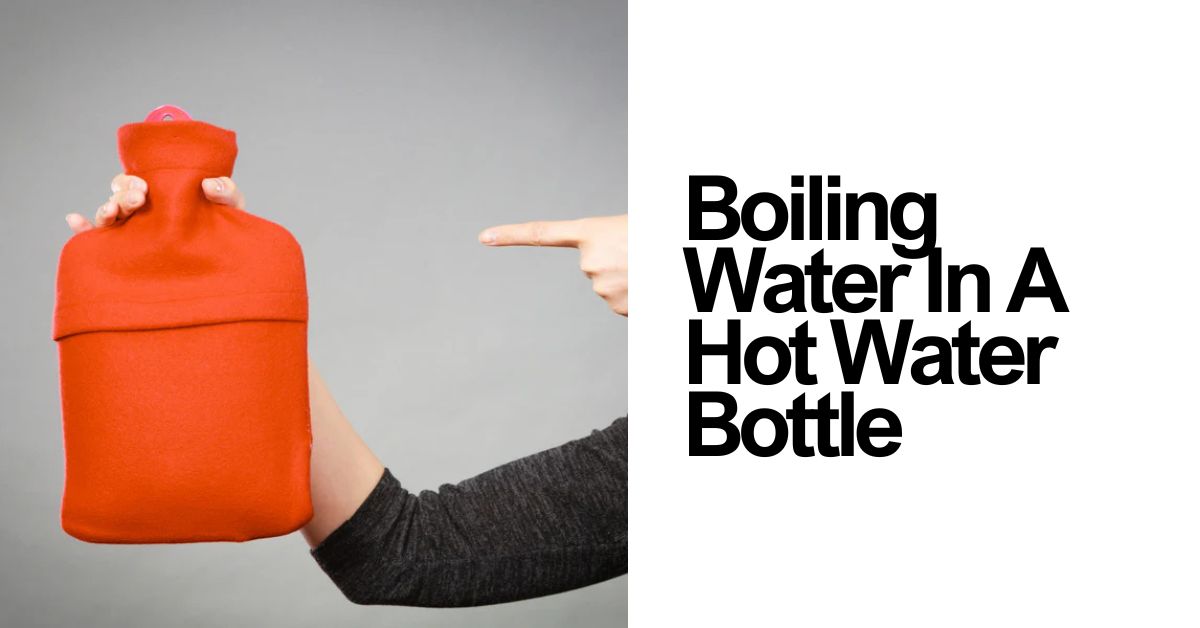
No, you should not put boiling water in a hot water bottle. Boiling water can weaken rubber or PVC, increasing the risk of leaks and burns. Fill a hot water bottle with hot tap water, typically 120–140°F (49–60°C), leaving some air space to prevent pressure buildup.
Can You Put Boiling Water in a Hot Water Bottle?
The simple answer to whether you should put boiling water in a hot water bottle is a resounding no. Hot water bottles are designed for comfort and warmth, not for containing water at its boiling point. Let me explain why this matters and what temperatures you should aim for instead.
Why is boiling water dangerous
Pouring freshly boiled water into your hot water bottle creates several immediate safety hazards. First and foremost, the risk of scalding is significant. Even after your kettle has switched off, the water continues to boil for a short while, making it likely to splash back and cause painful burns when poured.
Furthermore, extremely hot water makes the rubber or plastic material more prone to failure. According to safety authorities, approximately 200 people annually require hospitalization for serious hot water bottle burns, with some cases severe enough to need skin grafts and weeks in hospital. These aren’t minor injuries—they’re life-altering accidents that occur primarily due to improper use.
For children and individuals with sensitive skin, the dangers are even greater. Their skin burns more easily at lower temperatures, which is why manufacturers specifically warn against using water near boiling.
What happens when you use boiling water
Using boiling water doesn’t just put your safety at risk—it actively damages your hot water bottle. The material undergoes significant stress at temperatures near 100°C, accelerating its deterioration.
Repeatedly filling with excessively hot water leads to:
- Premature hardening and cracking of the rubber
- Weakening of seams and stress points
- Deformation of the bottle’s stopper and neck area
- Potential for unexpected leaks or bursts
For plastic bottles specifically, research shows alarming chemical effects. Scientists found that polycarbonate bottles release harmful chemicals, such as bisphenol A (BPA), up to 55 times faster when filled with boiling water than with room-temperature water. These chemicals can disrupt the endocrine system and potentially contribute to adverse health effects, even at seemingly small concentrations.
Recommended water temperature range
Given these risks, what temperature should you use? Most manufacturers recommend:
- General use: 50-70°C (122-158°F)
- For children and sensitive skin: No higher than 40°C (104°F)
After boiling water in your kettle, allow it to cool for at least 20 minutes before filling your hot water bottle. This cooling period ensures the water reaches a safe temperature while still providing adequate warmth.
The ideal temperature strikes a balance—warm enough to provide comfort yet cool enough to prevent material damage or safety risks. At 60-70°C, your hot water bottle will:
- Retain heat effectively
- Provide comfortable warmth
- Maintain its structural integrity longer
- Significantly reduce burn risks
Additionally, remember that the British Safety Standard BS 1970:2012 explicitly states: “When filling this hot water bottle, do not use boiling water.” This isn’t merely a suggestion—it’s a safety standard developed after extensive testing and research.
How to Fill a Hot Water Bottle Safely
Filling a hot water bottle might seem straightforward, yet proper technique is crucial for safety and effectiveness. Incorrect filling methods can lead to burns, leaks, or damage to your bottle. Let’s explore the appropriate process to ensure you stay warm without risk.
Step-by-step filling instructions
Properly filling your hot water bottle involves more than simply pouring in hot water. Follow these steps carefully:
- Inspect your bottle first – Check for cracks, leaks, or worn areas that could compromise safety.
- Prepare the water – Use water from a kettle that has boiled and cooled for at least 5 minutes.
- Position correctly – Hold the bottle upright by the neck to maintain stability.
- Pour slowly – Add water gradually to avoid splashing, which can cause burns.
- Use a funnel if needed – This makes the process cleaner and reduces the risk of spills.
- Secure the stopper—Tighten until finger-tight—not too loose, not too tight.
Remember to avoid using water from your home’s hot water system, as impurities can shorten your bottle’s lifespan. Moreover, never fill directly over your lap or body—always use a sink or stable surface.
Why you should avoid overfilling
The two-thirds rule exists for good reason. Overfilling your hot water bottle creates several hazards:
Firstly, it can cause the stopper to lock inward or even burst the bottle completely. Excess water leaves insufficient space for thermal expansion, creating dangerous internal pressure.
Secondly, an overfilled bottle becomes unwieldy, increasing the risk of spills during handling. The weight distribution changes, making it unsafe to carry.
Finally, contrary to what many believe, a correctly filled bottle (two-thirds capacity) provides plenty of heat and works just as effectively as an overfilled one. The extra water doesn’t improve performance—it only introduces unnecessary risks.
How to expel excess air
Removing air from your hot water bottle is a critical safety step often overlooked. Trapped air creates pressure problems and uneven heat distribution.
To properly expel air, gently lower the filled bottle onto a flat, level surface until water appears at the opening. This technique pushes air out while keeping water in.
Alternatively, you can squeeze the sides of the bottle before sealing. This action helps release trapped air while ensuring the water remains inside. Proper air expulsion prevents:
- Pressure build-up that might cause leaks
- Uneven heating with hot and cold spots
- Potential bottle expansion or deformation
Air is a poor heat conductor, creating an insulation layer that reduces heat transfer efficiency. Removing it ensures even warmth and prolongs heat retention.
Using a towel or cover for safety
Never use a hot water bottle without a protective covering. Direct contact between your skin and a hot water bottle can cause burns even at seemingly safe temperatures.
A proper cover or towel serves multiple purposes:
- It protects your skin from direct heat contact
- It diffuses the temperature, reducing burn risks
- It provides a comfortable grip when handling
- It adds insulation, helping retain heat longer
Many safety experts strongly recommend using a purpose-made cover rather than just wrapping it in a towel. These covers are designed with appropriate insulation properties and secure fastening.
Common Mistakes to Avoid When Using Hot Water Bottles
Many of us make critical mistakes with hot water bottles without realizing the potential dangers they pose. Let me walk you through the most common errors and how to avoid them for your safety.
Filling with boiling water
Although I’ve covered this earlier, it bears repeating – boiling water is the number one mistake people make. Beyond causing splash-back burns while filling, boiling water damages the seams of hot water bottles, weakening them over time. This weakening isn’t immediately visible but creates a ticking time bomb for future leaks or bursts.
In essence, the extreme heat accelerates the natural deterioration of rubber or thermoplastic materials. For younger users or those with sensitive skin, the stakes are even higher – never use water above 40°C.
Lying or sitting on the bottle
Hot water bottles are not designed to withstand pressure or weight. Nevertheless, many people sit on them or apply pressure without understanding the risks involved. This pressure can cause the bottle to burst or leak unexpectedly.
As a rule of thumb, always place the bottle against your body rather than resting your body weight on it. Above all, remember that the rubber becomes more vulnerable to splitting as it ages, making this mistake increasingly dangerous with older bottles.
Leaving it in bed while sleeping
Surprisingly, sleeping with a hot water bottle creates multiple hazards. First, sustained contact with one area of skin for extended periods increases burn risk, sometimes occurring gradually without you noticing.
Subsequently, hot water bottles left in bed overnight can become breeding grounds for bacteria, especially along their ribbed design. Furthermore, your body may overheat during sleep, leading to night sweats and disrupted sleep.
The safest approach? Use your hot water bottle to warm the bed initially, then remove it before falling asleep.
Using it without checking for damage
Before each use, inspect your hot water bottle thoroughly for:
- Cracks, splits, or signs of wear along seams
- Discoloration or brittleness of the rubber
- Leaks around the stopper area
- Creases that might indicate structural weakness
Hot water bottles that appear fine externally might still be damaged internally. Trust your instincts – if something seems off, replace the bottle immediately rather than risking a severe burn.
Not replacing old bottles.
The lifespan of a hot water bottle is shorter than most people realize. You should replace your bottle every 2 years from the date of purchase, regardless of its apparent condition. Burns from hot water bottles have doubled in the past five years, with over 1,000 cases reported in 2024 alone.
Look for the daisy-shaped “date wheel” stamped near the neck, which indicates the month and year of manufacture. This small detail helps you track when a replacement is due.
Remember that rubber naturally deteriorates over time, affected by how it’s stored and used. Ultimately, the minor cost of replacement pales in comparison to the potential medical consequences of a burst bottle.
How to Choose a Safe and Effective Hot Water Bottle
Selecting the right hot water bottle is fundamental to your safety and comfort. Unlike previous sections where we discussed proper usage, let’s explore what makes a quality hot water bottle in the first place.
Understanding materials: rubber vs thermoplastic
Hot water bottles typically come in two primary materials, each with distinct properties. Traditional rubber bottles offer excellent insulation and heat retention, providing warmth for more extended periods.
Conversely, thermoplastic bottles, though usually pricier, are made from up to 90% recycled materials and lack the characteristic rubber smell that some find unpleasant. For those with latex allergies, thermoplastic bottles are the obvious choice.
Importance of British Safety Standard (BS 1970:2012)
Always verify your hot water bottle meets the British Safety Standard BS 1970:2012. This certification isn’t just a formality—it ensures the bottle has undergone rigorous testing for safe use. Look for “BS 1970:2012” embossed on the bottle’s neck or near the instructions.
Additionally, check the “date daisy” (a flower-shaped mark) to determine the manufacturing year—experts recommend replacing bottles every 2 years regardless of appearance.
Choosing the right size and shape
Hot water bottles range from mini 0.3-litre to large 3-litre versions. Larger bottles (1.5+ litres) retain heat longer and cover wider body areas, while smaller ones target specific spots and are lighter to carry. A full 2-litre bottle typically weighs 2-3kg, so consider your strength when selecting a size. Beyond the traditional rectangular shape, specialized designs like heart-shaped or extra-long tubular bottles exist for specific needs.
Benefits of using a cover
A proper cover isn’t optional—it’s essential. Covers provide crucial protection against burns, help retain heat longer, and add comfort against your skin. Furthermore, they shield the bottle from external damage, dust, and fingerprints that might trigger allergies in sensitive individuals. To maximize benefits, seek covers made from natural materials like cotton, which prevents skin irritation while providing proper insulation.
Storage and Maintenance Tips for Long-Term Use
Proper maintenance extends your hot water bottle’s life and ensures it remains safe to use. Taking care of these simple warming devices requires attention to a few key details.
How to store your bottle properly
After emptying your hot water bottle, always store it with the stopper removed. This seemingly small detail makes a substantial difference in longevity. Henceforth, keep your bottle in a cool, dry, dark place—never in the airing cupboard where fluctuating temperatures from water tanks or boilers will damage it. Likewise, avoid storing near radiators, under sinks with chemicals, or in direct sunlight.
Keep your bottle fully extended during storage, as folding creates weak points in the rubber. Undeniably important, never place heavy objects on top of the bottle when stored, as this can deform the material.
Cleaning and drying after use
Straightaway after use, empty your bottle. Hang it upside down with the stopper removed to ensure thorough drying. For cleaning, a warm cloth usually suffices for surface wiping. Meanwhile, if deeper cleaning is needed, use only mild detergent and warm water, avoiding harsh chemicals altogether.
When to replace your hot water bottle
Notwithstanding its appearance, replace your rubber hot water bottle every 2 years from the date of purchase. This timeframe exists because rubber naturally deteriorates over time, even when stored properly. Look for the flower symbol near the bottle’s neck—the number in the middle indicates the manufacturing year, with the petals representing months and the dots representing weeks
Conclusion
Hot water bottles offer extraordinary comfort during cold nights, yet using them safely requires more attention than many realize. Throughout this guide, I’ve highlighted why boiling water should never be added to your hot water bottle. Instead, water between 50 and 70°C provides adequate warmth without risking burns or damaging the bottle material.
Safety doesn’t stop at proper temperature. Filling your bottle correctly (only two-thirds full), expelling excess air, and always using a protective cover significantly reduce the risk of accidents. Therefore, these simple steps deserve your attention each time you prepare your hot water bottle.
Most accidents stem from common mistakes we’ve examined—using excessively hot water, applying pressure by sitting or lying directly on bottles, and failing to check for damage before use. Additionally, many people don’t realize that their hot water bottles need to be replaced every 2 years, regardless of appearance.
