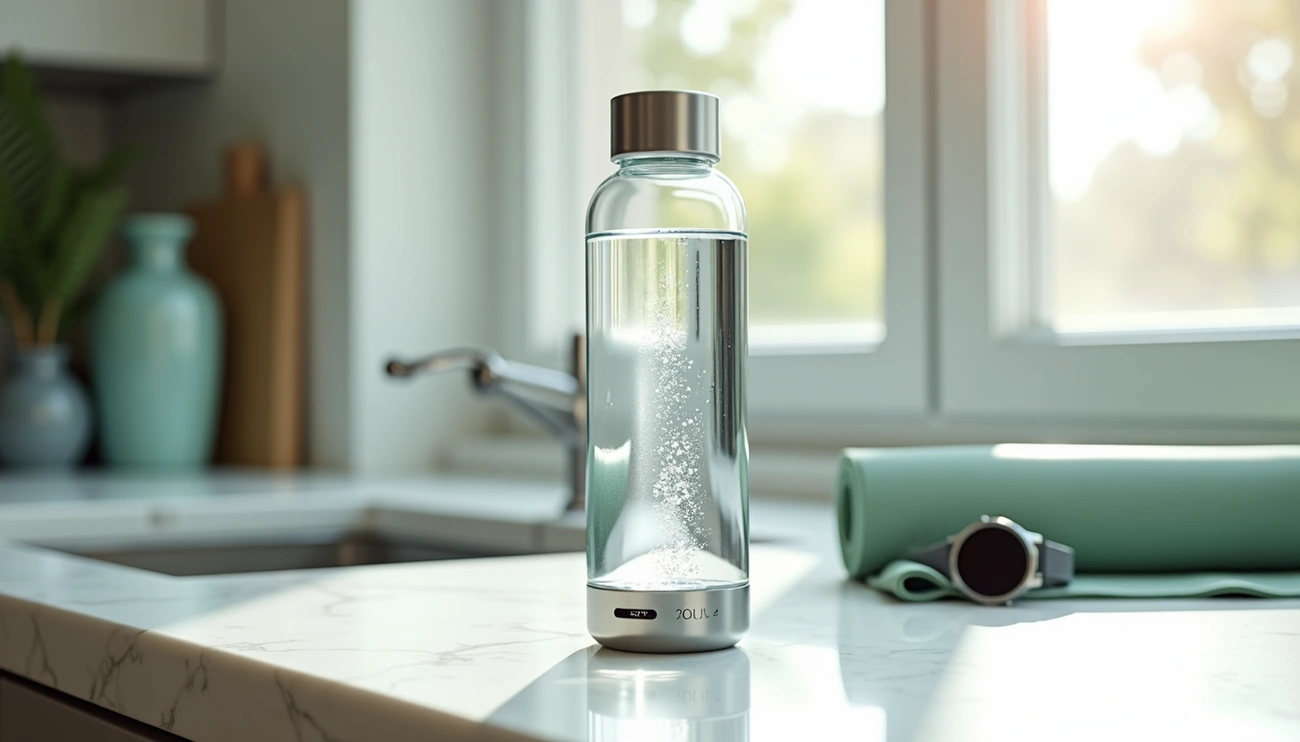
Hydrogen water bottles work by generating dissolved hydrogen gas through electrolysis. These bottles increase hydrogen levels to about 0.5–1.6 ppm. Small studies suggest potential antioxidant and anti-inflammatory effects, but large clinical trials do not confirm clear health benefits beyond hydration.
What Does a Hydrogen Water Bottle Do?
Hydrogen water bottles function as portable electrolysis devices that infuse regular water with molecular hydrogen gas. Unlike basic water containers, these technological marvels transform ordinary H₂O into hydrogen-rich water through a sophisticated process. The question remains: how exactly does this technology work, and is it effective?
How hydrogen is infused into water
At the heart of every hydrogen water bottle lies a process called electrolysis. Electrolysis is a chemical reaction that uses electricity to split water molecules (H2O) into hydrogen gas (H2) and oxygen (O2).
Inside the bottle, specially designed electrodes—typically made from platinum-coated titanium—create an electric current that passes through the water. Electrodes are conductive surfaces that transfer electricity to enable the chemical change.
When activated, this current forces water molecules to separate, with hydrogen bubbles forming at the cathode (the negative electrode).
The process follows these steps:
- Fill the bottle with clean water.
- Seal and press the activation button.
- Electrolysis begins, splitting water molecules.
- Hydrogen dissolves into the water, while oxygen is vented.
- After 3-10 minutes, your hydrogen-rich water is ready to drink.
Types of hydrogen water bottles available
SPE/PEM bottles represent the gold standard in hydrogen water generation. SPE stands for Solid Polymer Electrolyte, and PEM stands for Proton Exchange Membrane. These use specialized technology to separate hydrogen from oxygen and other byproducts. This ensures only pure hydrogen enters your water while preventing contaminants like chlorine or ozone.
In contrast, standard electrolysis bottles (without membrane systems) are generally less effective since they cannot reliably separate gases, potentially allowing unwanted byproducts to mix with your water.
Additionally, bottles vary in capacity (typically 8-12 ounces), hydrogen concentration output (1-9 PPM), and cycle duration options. Some premium models even offer dual functionality—generating hydrogen water and providing hydrogen inhalation.
What makes a bottle effective
The effectiveness of a hydrogen water bottle depends on several crucial factors. First, electrode quality significantly impacts performance, with platinum-coated titanium being superior for durability and efficiency. These high-grade materials ensure consistent hydrogen production over thousands of cycles.
Second, the electrolysis technology plays a vital role. Advanced SPE/PEM systems ensure efficient, clean hydrogen generation by allowing only pure hydrogen to pass through a special membrane. This separation technology protects you from potentially harmful byproducts, such as chlorine or ozone.
Third, hydrogen concentration matters significantly. Effective bottles should produce at least 1,200 PPB (parts per billion, a unit for very small concentrations) or 1.2 PPM (parts per million) of hydrogen to justify their cost. Premium models can generate substantially higher levels—some reaching up to 9,000 PPB (9 PPM).
My 30-Day Experience with Hydrogen Water
After extensive research into the benefits of hydrogen water, I committed to a month-long experiment with a hydrogen water bottle. Much like a scientific study with myself as the only subject, I wanted concrete answers to the question that had been nagging me: Do hydrogen water bottles really work?
Initial expectations and setup
Before purchasing, I carefully researched different models, seeking something portable, easy to use, and high-quality. I eventually selected a rechargeable bottle with fast hydrogen generation (3-5 minutes), built-in UV self-cleaning functionality, and BPA-free materials. Setting realistic expectations was important—I wasn’t expecting miracles, although I was hopeful for subtle improvements in energy and recovery.
The bottle arrived in stylish packaging, complete with instructions for optimal use. Setup was straightforward: charge the bottle fully, run an initial cleaning cycle, then fill with purified water (never tap water, as impurities can disrupt the hydrogen generation process). The manufacturer recommended using only distilled or purified water to maintain optimal hydrogen production and water quality.
Daily usage routine
I established a consistent routine throughout the 30-day period:
- Morning: Activated the hydrogen water bottle immediately upon waking. While it generated hydrogen (taking approximately 3-5 minutes), I prepared breakfast and other morning essentials. This became my “hydrate before caffeinate” ritual—drinking hydrogen water before my morning coffee.
- Mid-day: Carried the bottle to work, refilling and activating it 2-3 times throughout the day.
- Pre/post workout: Consumed hydrogen water before exercise sessions and immediately afterward to test recovery benefits.
- Evening: One final bottle before bed to maintain consistent intake.
In total, I consumed 5-6 bottles daily to maintain the recommended hydrogen concentration. The bottle’s portability made this routine feasible, even with my busy schedule. Indeed, the novelty of watching the blue light and swirling hydrogen bubbles made hydration more engaging—almost like a wellness ritual rather than a chore.
Changes in hydration and energy levels
Initially, changes were subtle. However, by the end of week one, I noticed several improvements that stood out against my usual routine. First, my hydration felt different—the water seemed lighter and smoother. This subjective feeling prompted me to drink more water than usual.
As my marathon training intensified, I observed improved post-run recovery and reduced muscle soreness. Despite increasing my weekly mileage and training in cold temperatures (prime conditions for inflammation), I maintained consistent energy levels throughout workouts. This aligned with reports that hydrogen water can decrease lactic acid buildup and improve endurance during repeated sprints.
By week three, the benefits became more pronounced and built on the earlier changes. My sleep quality improved significantly—I found myself falling asleep earlier than usual without the customary late-night scrolling. Consequently, my morning energy levels stabilized, and the mid-afternoon energy crash became less severe.
Hydrogen Water Bottle Benefits I Noticed
After 30 days of consistent hydrogen water consumption, the benefits I experienced went beyond simple hydration. The scientific evidence behind these improvements clarified why many athletes and wellness enthusiasts have embraced this technology.
Improved post-run recovery
As an avid runner, recovery speed matters tremendously to me. Specifically, I noticed reduced muscle soreness after intense training sessions. This aligns with research showing that hydrogen water can decrease blood lactate levels and improve physical performance.
My recovery times shortened noticeably—what typically required two rest days now needed only one. Clinical studies support this observation, with one finding that hydrogen-rich water consumption reduced blood creatine kinase activity (156 ± 63 vs. 190 ± 64 U.L−1) and muscle soreness perception (34 ± 12 vs. 42 ± 12 mm) compared to placebo.
Furthermore, my endurance improved throughout the 30-day period. This matched findings showing that cyclists who consumed hydrogen-rich water for 7 days demonstrated enhanced anaerobic performance. After particularly gruelling weekend runs, I felt ready for training much faster—a benefit reported by 80% of athletes in one study.
Better sleep and reduced fatigue
Prior to this experiment, occasional insomnia disrupted my sleep patterns. Nevertheless, by week two of hydrogen water consumption, I fell asleep faster and woke feeling more refreshed. Research supports this effect, with studies showing that hydrogen water can improve sleep consolidation.
My daytime energy levels also stabilized considerably. One particularly relevant study found that hydrogen water improved alertness in sleep-deprived individuals. This effect was accompanied by changes in brain metabolism, particularly increased choline-to-creatine ratios in frontal and paracentral brain regions.
Overall fatigue decreased substantially throughout my experiment. This experience aligns with research showing significant reductions in Fatigue Severity Scale scores after consuming hydrogen water.
Mental clarity and mood boost
Beyond physical benefits, I experienced enhanced mental clarity—especially during afternoon work sessions when focus typically wanes. Studies indicate that hydrogen water can improve mental stamina by potentially affecting neurometabolism.
Likewise, my mood stabilized, with fewer anxiety spikes before presentations and deadlines. Research confirms this potential benefit, with one four-week study showing decreased K6 scores (a measure of psychological distress) after consuming hydrogen water.
Even more telling, another study demonstrated improvements in anxiety scores and autonomic nerve function tests after similar hydrogen water intake periods. Researchers theorize these benefits stem from hydrogen’s ability to reduce oxidative stress and inflammation in the central nervous system.
What I Didn’t Like About the Bottle
Despite the positive effects I experienced, my journey with the hydrogen water bottle wasn’t without frustrations. Throughout my 30-day experiment, several issues emerged that potential buyers should consider before investing in this technology.
Inconsistent hydrogen production
The most noticeable problem was the unpredictable hydrogen generation. Upon close observation, I found that production varied significantly between cycles—sometimes creating a robust cloud of tiny bubbles, other times producing noticeably fewer. This inconsistency became more pronounced as the bottle aged.
Water temperature also dramatically affected performance. Using cold water resulted in a visibly lower hydrogen output than using room-temperature water. This proved inconvenient during summer training when I craved cold hydration but needed maximum hydrogen benefits.
Furthermore, residual minerals from previous uses accumulated on the electrodes over time. This buildup gradually diminished the bottle’s effectiveness unless I performed weekly deep cleaning with citric acid solution—an extra maintenance step not clearly emphasized in the user manual.
Battery and charging issues
The manufacturer claimed 12-15 cycles per charge, yet I rarely achieved more than 8-10 cycles before needing to recharge. This discrepancy became frustrating during long workdays when I couldn’t easily access power sources.
Charging itself proved problematic. The proprietary charging port was finicky, often requiring precise alignment to establish a connection. On multiple occasions, I thought the device was charging overnight only to discover it hadn’t connected properly.
Additionally, the battery degraded noticeably within just 30 days. By the end of my trial period, the maximum capacity had diminished by approximately 15%, raising concerns about long-term viability and replacement costs.
Lack of transparency in hydrogen levels
Perhaps most concerning was the absence of any objective measurement system for hydrogen concentration. The bottle provided no way to verify if it was producing the advertised 1.2 PPM hydrogen levels.
Without reliable indicators, I couldn’t determine if the diminished benefits I occasionally experienced resulted from reduced hydrogen production or simply placebo effect fluctuations. For a premium-priced product making specific health claims, this lack of verification seemed particularly troubling.
The user manual vaguely mentioned “optimal hydrogen levels” without defining these or providing ways to confirm them. Given that effective hydrogen concentration should be at least 0.5-1.0 PPM to deliver therapeutic benefits, this absence of transparency left me questioning the bottle’s consistent effectiveness.
Is Hydrogen Water Good for You? Final Thoughts
The real question many people ask is whether hydrogen water offers substantial benefits over regular water. After analyzing my month-long experiment, I’ve formed some definitive conclusions about this trendy wellness product.
How it compares to regular water
Unlike regular water, hydrogen-rich water contains dissolved molecular hydrogen that may provide antioxidant and anti-inflammatory effects. Nutritionally, both types contain zero calories, protein, fat, carbohydrates, or added sugars.
The key difference lies in hydrogen water’s potential therapeutic properties—it may reduce oxidative stress and inflammation beyond simple hydration. Notably, electrolyzed hydrogen water (EHW) has approximately 5 times the reactive oxygen species-scavenging ability of regular hydrogen water at equivalent concentration.
Who might benefit most?
Athletes may see the greatest benefits, with studies showing improved endurance and reduced recovery time. Individuals with metabolic health concerns may benefit from hydrogen water, which has been associated with improvements in cholesterol and triglyceride levels.
People undergoing medical treatments such as dialysis have reported improved quality of life and reduced fatigue. Furthermore, those with inflammatory conditions may experience relief from hydrogen water’s anti-inflammatory properties.
Would I recommend it?
Ultimately, I find hydrogen water bottles worth considering—with caveats. The expense is substantial (upward of $50 for a dozen bottles or $150-$1000 for generators). Currently, research remains promising yet preliminary.
For most healthy individuals, regular water provides sufficient hydration. Nevertheless, for serious athletes or those with specific health conditions seeking complementary approaches, hydrogen water might justify the investment.
Conclusion
After thirty days of consistent hydrogen water consumption, my verdict remains mixed yet generally positive. The benefits I experienced—enhanced recovery after runs, better sleep quality, and improved mental clarity—certainly suggest these bottles deliver more than just a placebo effect. Though subtle at first, these improvements became undeniably noticeable as weeks passed.
Nevertheless, several frustrations tempered my enthusiasm. The inconsistent hydrogen production, battery limitations, and lack of transparency in measurements led me to question whether I was always receiving the advertised hydrogen concentration. These technical shortcomings stand in stark contrast to the premium price these products command.
Would I recommend hydrogen water bottles? Yes and no. Athletes, individuals with inflammatory conditions, or those undergoing medical treatments might find the investment worthwhile. However, most healthy individuals probably won’t notice differences significant enough to justify the expense.
