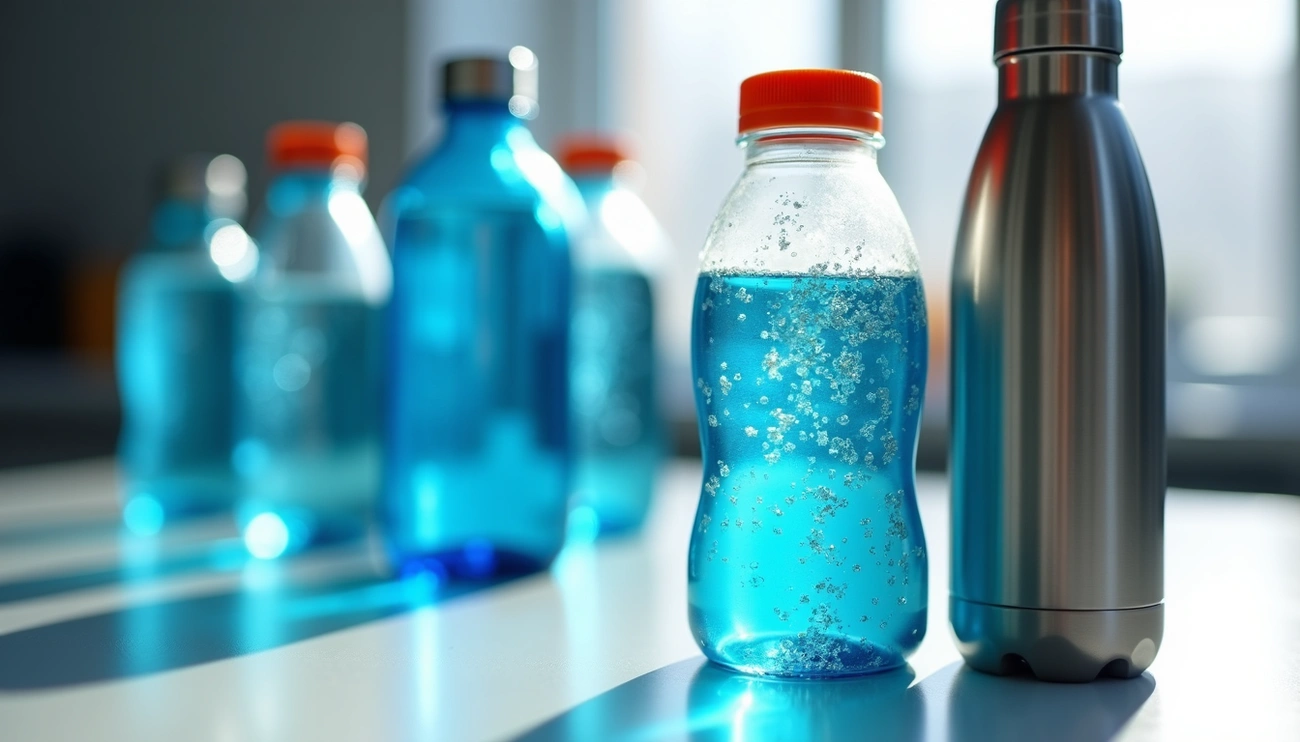
Yes, Gatorade bottles contain microplastics. Scientific studies show that Gatorade, like most plastic-bottled drinks, contains hundreds of thousands of microplastic and nanoplastic particles per liter. These particles shed from PET bottles, filters, and bottling equipment, making bottled sports drinks a significant source of microplastic exposure.
What are microplastics and why they matter
The tiny plastic fragments swirling in our water bottles represent a growing environmental and health challenge. Microplastics have infiltrated virtually every ecosystem on Earth, from Antarctic sea ice to the deepest ocean trenches.
Definition and types of microplastics
Microplastics are solid plastic particles measuring less than 5 millimeters in length—roughly the size of a pencil eraser or smaller. These particles fall into two main categories. Primary microplastics are intentionally manufactured at this small size, such as microbeads formerly used in cosmetics and toothpaste. Secondary microplastics result from larger plastic items breaking down through environmental exposure, wear, and tear.
The composition of these particles varies widely. Research has identified seven common types in bottled water, including polyethylene terephthalate (PET)—the material used in most plastic water bottles—alongside polyamide, polypropylene, polyethylene, polystyrene, polyvinyl chloride, and polymethyl methacrylate.
How microplastics enter bottled water
Multiple pathways exist for microplastics to contaminate bottled water. Surprisingly, the friction between bottle caps and containers creates microplastics, particularly when opening and closing bottles. Furthermore, the manufacturing process itself introduces these particles—high pressure, temperature changes, and transportation cause plastic degradation.
External factors significantly influence contamination levels. Water stored in bottles exposed to heat contains substantially more plastic particles than those kept in controlled temperatures. Moreover, bottled water contains approximately 60 times more microplastics than tap water.
Difference between microplastics and nanoplastics
While related, microplastics and nanoplastics differ crucially in size and potential impact. Nanoplastics measure less than 1 micrometer (μm)—a fraction of a microplastic’s size. This minute dimension makes nanoplastics particularly concerning since they can penetrate areas previously thought inaccessible, including the blood-brain barrier.
Recent analysis revealed that nanoplastics comprise about 90% of plastic particles found in bottled water. Nevertheless, many studies likely underestimate total plastic content because current technology struggles to detect the smallest particles, with millions of additional unidentified fragments present in samples.
Do Gatorade bottles contain microplastics?
Like most sports drink containers on the market, Gatorade bottles contain materials that can release microplastics into the liquid we consume. Let’s examine what exactly makes up these bottles and how they might contribute to our microplastic exposure.
Materials used in Gatorade bottles (PET plastic)
Gatorade bottles are manufactured primarily from PET (polyethylene terephthalate) plastic, a clear, lightweight polyester commonly used for single-use beverage containers. These bottles typically display the #1 recycling symbol, indicating their PET composition.
Though marketed as BPA-free, which reduces certain chemical exposure concerns, the basic structure remains plastic-based. PET offers several advantages for beverage packaging—it resists shattering, effectively blocks moisture, and maintains drink freshness without obvious chemical leaching.
Cap friction and microplastic release
Ironically, the simple act of opening your Gatorade bottle may be the primary source of microplastic contamination. Research reveals that twisting a bottle cap generates approximately 500 microplastic particles per twist due to friction.
This mechanical action creates tiny scratches invisible to the naked eye, releasing particles that then contaminate the liquid. Consequently, repeated opening and closing—common for athletes who sip throughout workouts—potentially increases microplastic exposure significantly.
Recent studies on Gatorade and bottled water brands
Though limited research focuses specifically on Gatorade, studies of similar bottled beverages provide concerning insights. Sports drinks typically contain around 240,000 plastic particles per liter, which likely originate from both packaging materials and manufacturing processes. Generally, bottled beverages contain substantially more microplastics than tap water—approximately 60 times higher concentration.
A comprehensive 2018 investigation examining 259 bottles across 11 brands discovered microplastics in 93% of samples. Furthermore, researchers detected no increase in microplastic content from holding or squeezing bottles, confirming that cap friction remains the primary culprit. Obviously, heat exposure during storage accelerates plastic degradation, potentially releasing additional particles into the liquid.
Health concerns linked to microplastics in water
Research from recent years reveals concerning findings about what happens when microplastics enter our bodies through beverages like Gatorade or other bottled drinks. The implications for human health appear increasingly serious as science advances.
Potential effects on organs and cells
Microplastic particles affect multiple organ systems simultaneously. Most notably, these tiny fragments impact digestive, respiratory, endocrine, reproductive, and immune systems. At the cellular level, microplastics create oxidative stress, increasing production of harmful reactive oxygen species across various cell types. This oxidative damage can ultimately lead to inflammation, cell death, and tissue deterioration.
The digestive system bears the initial brunt of ingested microplastics. Physical irritation to the gastrointestinal tract commonly triggers inflammation and associated symptoms like abdominal pain and bloating. Beyond direct irritation, these particles disrupt gut microbiota, creating imbalances between beneficial and harmful bacteria. Essentially, every mouthful of contaminated water potentially contributes to these effects.
Microplastics in the bloodstream and placenta
Perhaps most alarming, scientists have confirmed microplastics can enter human circulation. These particles have been detected in human blood, allowing them to travel throughout the body and deposit in various organs. Equally disturbing, researchers analyzing 62 placental tissue samples found microplastics in every single one. The most common type discovered was polyethylene – the same material used in many plastic bottles.
This placental contamination raises profound questions about fetal development. Microplastics in the placenta could potentially interfere with hormone synthesis, maternal-fetal exchange, and placental function. One study found that birthweight, newborn length, head circumference, and APGAR scores were inversely correlated with microplastic accumulation in the placenta.
Long-term risks still being studied
The full health impact of microplastics remains under investigation. Nonetheless, emerging research suggests connections to serious conditions. A landmark study published in The New England Journal of Medicine found patients with microplastics in their arterial plaque had double the risk of stroke or heart attack.
Scientists have also identified potential links between microplastic exposure and colon cancer, lung cancer, inflammatory bowel disease, neurodegenerative conditions like Parkinson’s and dementia, and declining reproductive health. The chemicals in and on these particles might act as endocrine disruptors, potentially explaining connections to metabolic disorders and fertility issues.
Overall, while research continues, the presence of microplastics in drinks served in plastic bottles – including sports drinks like Gatorade – presents legitimate health concerns worth considering.
How to reduce your exposure to microplastics
Reducing exposure to microplastics requires practical changes in how we consume beverages. With studies showing alarming levels of plastic particles in common drinks, taking action becomes increasingly important.
Switch to stainless steel or glass bottles
Replacing plastic bottles with stainless steel or glass alternatives eliminates a major source of microplastic contamination. Stainless steel bottles offer exceptional durability plus insulation benefits, although some may initially impart a slight metallic taste.
Glass bottles provide the purest drinking experience without flavor alteration, yet require careful handling. Alternatively, titanium bottles offer lightweight durability without aluminum’s potential health concerns.
Use filtered tap water over bottled drinks
Tap water typically contains approximately 60 times fewer microplastics than bottled water. For maximum protection, consider reverse osmosis filtration systems, which can reduce microplastics by up to 99.6%.
Simple pitcher filters cost around $20, alongside $18 for six months of replacement filters. Despite common misconceptions, tap water safety standards often match or exceed those for bottled products.
Avoid single-use plastic packaging
Americans purchase roughly 50 billion plastic water bottles yearly—about 151 per person. First, commit to avoiding bottled water whenever possible, sparing hundreds of plastic bottles annually. Instead, cook more frequently and store leftovers in your freezer to reduce dependence on plastic-heavy takeout containers.
Check for powder or tablet alternatives
Powdered electrolyte drinks eliminate plastic bottle waste entirely. Biodegradable bottle alternatives made from plant-based materials like polyhydroxyalkanoates (PHA) offer another solution, as they break down without generating microplastics.
Store plastic bottles away from heat and sunlight
Heat dramatically accelerates plastic degradation and microplastic release. Above all, never microwave plastic containers—heat causes chemicals like BPA to leach into contents. Despite a container being labeled “microwave-safe,” experts recommend transferring contents to glass or ceramic before heating.
Conclusion
Microplastics undoubtedly exist in Gatorade bottles, presenting a significant health concern we should address rather than ignore. PET plastic containers, friction from bottle caps, and improper storage all contribute to the alarming levels of plastic particles found in sports drinks. This widespread contamination affects nearly all bottled beverages, not just Gatorade.
The health implications appear increasingly serious as research advances. Microplastic particles travel through our bloodstream, cross the placental barrier, and potentially increase risks of heart attacks, strokes, cancer, and various other conditions. Though scientists continue studying long-term effects, evidence suggests we should minimize exposure whenever possible.
Fortunately, we can take several practical steps to reduce our microplastic consumption. Switching to stainless steel or glass containers eliminates a major contamination source. Filtered tap water provides a significantly cleaner alternative with approximately 60 times fewer plastic particles than bottled options. Additionally, powdered drink mixes offer the same hydration benefits without plastic packaging waste.
