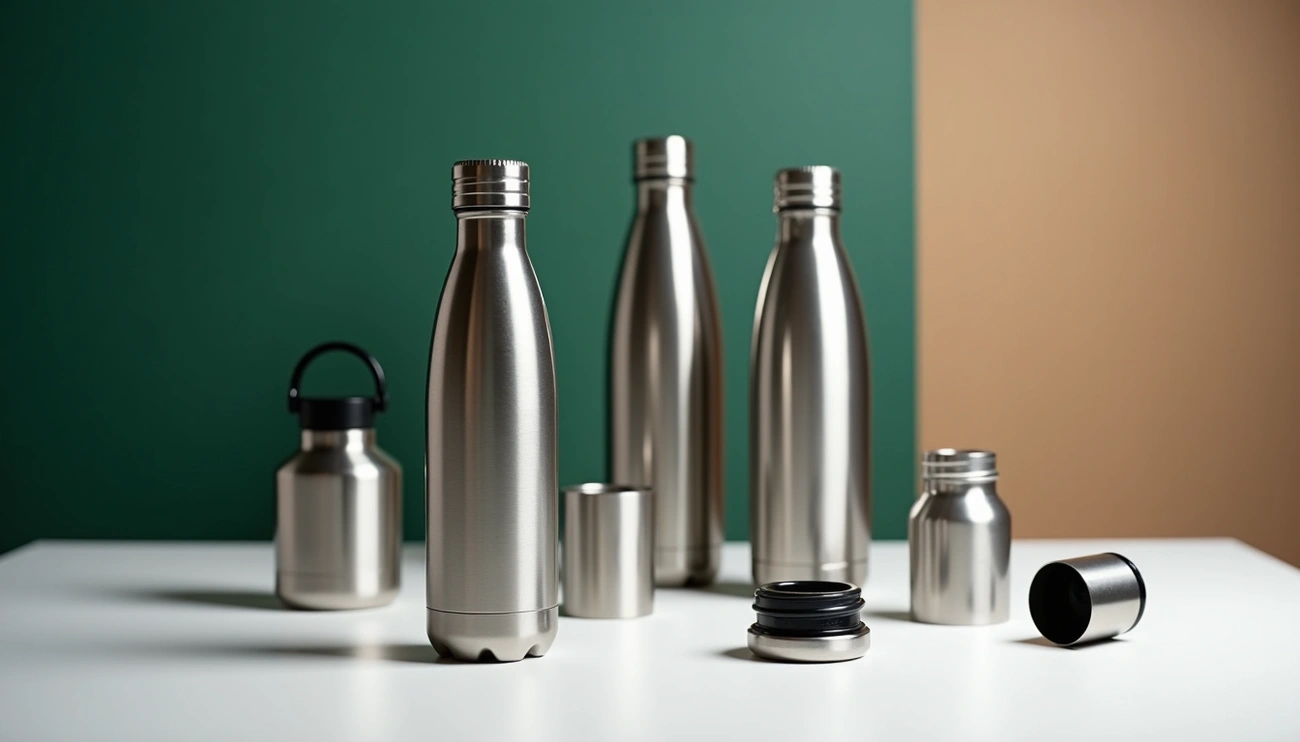
Yes, stainless steel water bottles are fully recyclable because stainless steel can be reused indefinitely without losing quality. Most curbside recycling programs do not accept them due to their hardness. Recycle bottles at scrap metal yards, local recycling centers, brand trade-in programs, or specialized metal recyclers.
Can stainless steel water bottles be recycled?
The stainless steel in your water bottle has remarkable recycling potential, primarily because of its unique composition and properties. Unlike many materials that degrade through recycling, stainless steel maintains its integrity through endless recycling cycles.
Why stainless steel is considered recyclable
Stainless steel stands out as one of the most recyclable materials on the planet. It’s 100% recyclable and can be processed and repurposed indefinitely without losing its quality or strength. The durability comes from its composition of various alloy metal types including chromium, nickel, and molybdenum. These valuable alloy elements remain intact and can be fully recovered during recycling.
Most modern stainless steel products already contain approximately 60% recycled content, demonstrating the industry’s commitment to sustainable practices. Furthermore, recycling stainless steel requires significantly less energy compared to producing new material from raw resources. When using 80% scrap, only about 1.1 tons of CO2 is created to produce 1 ton of stainless steel, versus approximately 4 tons of CO2 when using just 10% scrap.
Common misconceptions about metal recycling
Several myths prevent people from recycling stainless steel:
- “Individual efforts don’t matter” – In reality, every piece of metal recycled contributes to substantial outcomes when millions participate.
- “Recycling uses more energy than producing new” – Recycling aluminum saves 95% of the energy needed for new production.
- “Crumpled metal can’t be recycled” – Crumpling is actually part of the recycling process.
- “There’s no demand for scrap” – Many businesses have transitioned to using recycled materials due to environmental and economic benefits.
Curbside vs. scrap metal recycling
Despite its recyclability, your stainless steel water bottle likely won’t be accepted in curbside recycling. Most municipal programs accept only aluminum and steel cans through curbside collection. Stainless steel bottles often can’t be processed this way because they’re very hard to crush, causing problems for collection trucks that compress materials during collection.
Instead, these bottles typically need to be taken to specialized scrap metal recycling facilities. This separation is necessary because stainless steel water bottles with colorful coatings often require additional processing layers. Check your local recycling program’s guidelines first, then locate a nearby recycling center or scrap metal dealer that accepts stainless steel.
How to recycle stainless steel water bottles properly
Proper preparation is essential for successfully recycling your stainless steel water bottle. Although these bottles are 100% recyclable, they require specific handling that differs from everyday recyclables. Follow these five steps to ensure your metal bottle actually gets recycled instead of ending up in a landfill.
Step 1: Clean the bottle thoroughly
Begin by thoroughly washing your stainless steel bottle with warm water and mild detergent. Use a bottle brush to reach the interior and remove any residue or buildup. Rinse well to eliminate all soap residue. Even small bits of residue or mold can contaminate an entire batch of recyclables at a facility, significantly reducing the chance your bottle will be properly processed.
Step 2: Remove non-metal parts
Next, completely disassemble your bottle by removing all non-metal components. This includes plastic caps, rubber seals, silicone gaskets, and any decorative elements. Each part might require different recycling methods, so separation is crucial. Many recycling programs specifically instruct users not to include these non-metal parts when recycling stainless steel items.
Step 3: Dry the bottle completely
Moisture can interfere with the recycling process, consequently, ensure your stainless steel bottle is entirely dry before recycling. Some recycling facilities may reject items containing moisture as it can contaminate the recycling process. Set your bottle aside for a day after washing to guarantee it’s completely moisture-free.
Step 4: Check local recycling guidelines
Prior to recycling, verify whether your local curbside program accepts stainless steel. Many municipal programs have specific guidelines for metal recycling that you can find on your local government website. Alternatively, you can directly contact your waste management provider. Remember that most traditional curbside recycling programs will not accept stainless steel bottles as they’re generally “uncrushable.”
Step 5: Drop off at a metal recycling center
Specifically, your local metal recycling facility or scrap yard is the appropriate place to recycle stainless steel bottles. Resources like Earth911 Recycling Search Tool can help locate facilities in your area. Additionally, some brands like Hydro Flask and Thermos offer take-back recycling programs where you can send your old bottles directly to the manufacturer for proper recycling.
Environmental benefits of recycling stainless steel
Recycling your stainless steel water bottle delivers substantial environmental benefits beyond simply keeping it out of a landfill. The positive impacts ripple throughout our ecosystem in multiple ways.
Energy savings from recycling vs. raw production
Manufacturing stainless steel from recycled materials consumes approximately 60-70% less energy compared to producing it from virgin resources. This translates to energy savings of about 16-19 GJ per ton of stainless steel produced. Moreover, recycling steel saves 72% of the energy needed for primary production.
Reduction in carbon emissions
Remarkably, recycled stainless steel production generates 70-80% fewer CO2 emissions than conventional manufacturing methods. For every ton of stainless steel recycled, approximately 4.3 tons of CO2 equivalent emissions are prevented. Overall, steel recycling reduces carbon emissions by about 1.5 metric tons per ton of recycled steel.
Conservation of natural resources
Recycling one ton of steel saves 1.4 tons of iron ore, 0.8 tons of coal, and 0.3 tons of limestone. Essentially, every ton of recycled stainless steel eliminates the need to extract approximately 1.6 tons of ore.
Support for the circular economy
Stainless steel is 100% recyclable without any quality loss, making it ideal for a circular economy. In fact, about 95% of stainless steels are recycled at their end of life.
Minimizing landfill waste
Each ton of recycled stainless steel prevents approximately 2 tons of waste from entering landfills. Plus, recycling diverts millions of tons of metal waste from landfills annually.
What to do with old metal water bottles if you can’t recycle
Sometimes recycling isn’t feasible for your stainless steel water bottle. Fortunately, several creative alternatives exist that extend its useful life while keeping it out of landfills.
Use as a planter or vase
Transform your bottle into an attractive planter. Simply cut the top portion to create an opening, drill drainage holes at the bottom, and fill with soil and seeds. The stainless steel material won’t rust or leach chemicals into the soil, making it perfect for growing herbs or small flowers.
Turn into a pet water dispenser
Your metal bottle can serve as a durable water dispenser for pets. Remove the cap and attach a suitable drinking attachment or simply use the bottle as a refillable water reservoir. The non-porous surface prevents bacterial growth, offering a hygienic drinking solution for your furry friends.
Repurpose as a rolling pin or storage container
With both caps removed, a cylindrical bottle makes an excellent rolling pin for baking projects. Alternatively, these bottles work wonderfully for storing dry goods like pasta, rice, or beans. The airtight seal keeps contents fresh, while the metal composition deters pests.
Create a bird feeder or lantern
Cut strategic openings in your bottle, add perches made from twigs, and fill with birdseed to create a unique feeder. Otherwise, puncture decorative patterns to transform it into a garden lantern – just insert a battery-operated light for a charming glow.
Donate if still usable
Above all, if your bottle remains in good condition, consider donating it to schools, outdoor programs, or homeless shelters. Community organizations often welcome such donations, especially for those unable to afford reusable bottles.
Conclusion
Stainless steel water bottles stand as champions of sustainability through their impressive recyclability. Throughout this article, we’ve explored how these durable containers can enjoy countless lives through proper recycling channels. Their ability to maintain quality through endless recycling cycles makes them truly remarkable environmental allies.
Proper preparation remains essential before recycling your bottle. Clean thoroughly, remove non-metal parts, ensure complete dryness, and find the appropriate recycling facility—typically a scrap metal center rather than curbside programs. These extra steps might seem tedious, yet they guarantee your bottle actually gets recycled instead of rejected.
The environmental advantages of recycling stainless steel bottles are substantial. Energy consumption drops by 60-70% compared to virgin production. Similarly, carbon emissions decrease dramatically, while precious natural resources stay in the ground. Each recycled bottle contributes meaningfully to a healthier planet.
