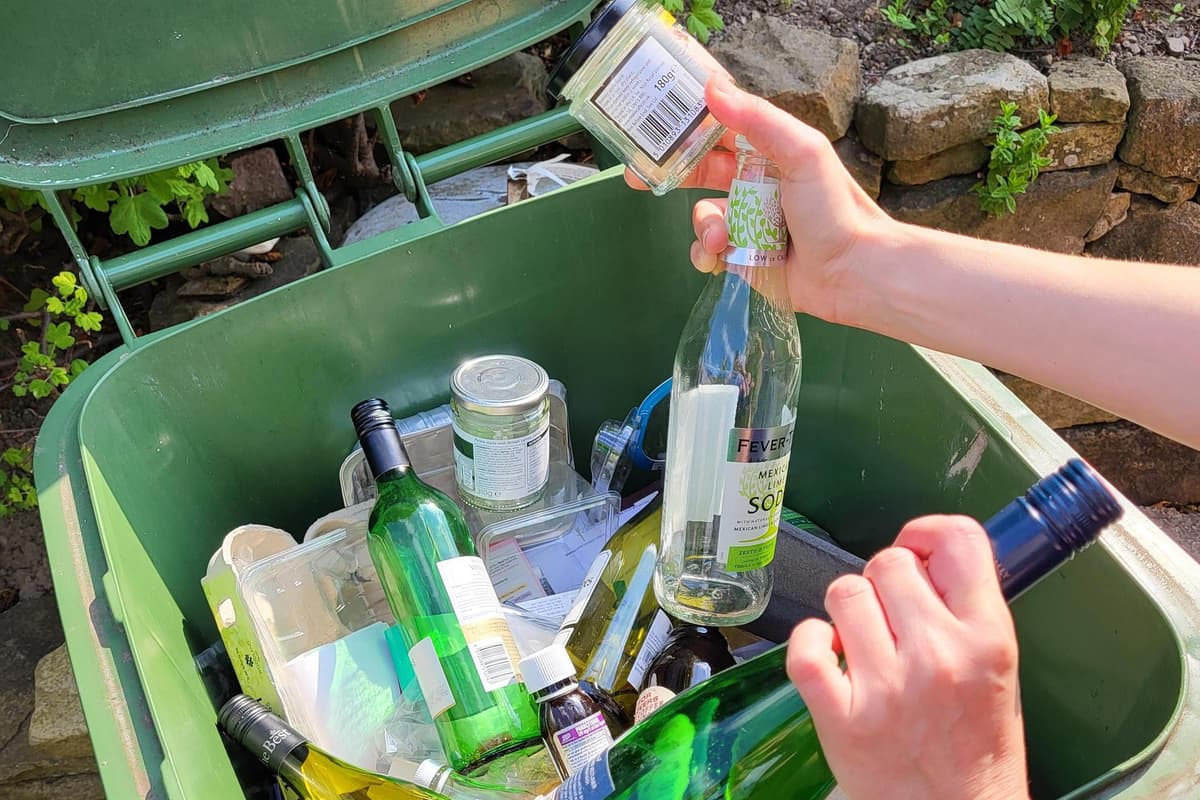
Have you ever stood in front of your recycling bin, holding a glass bottle, wondering if it belongs there? You’re not alone.
Knowing exactly what can go into your recycling bin isn’t always clear, especially when it comes to glass bottles. Putting the wrong items in your bin can cause more harm than good, wasting your effort and harming the environment. But what if you knew the simple rules that make recycling glass bottles easy and effective?
Keep reading, because understanding this could change the way you recycle forever—and help you make a real difference with your everyday actions.
Glass Bottle Recycling Basics
Recycling glass bottles helps protect the environment. It saves energy and reduces waste in landfills. Knowing which glass bottles to recycle is important. Not all glass is recyclable in the same way. Understanding the basics makes recycling easier and more effective.
Types Of Glass Bottles Accepted
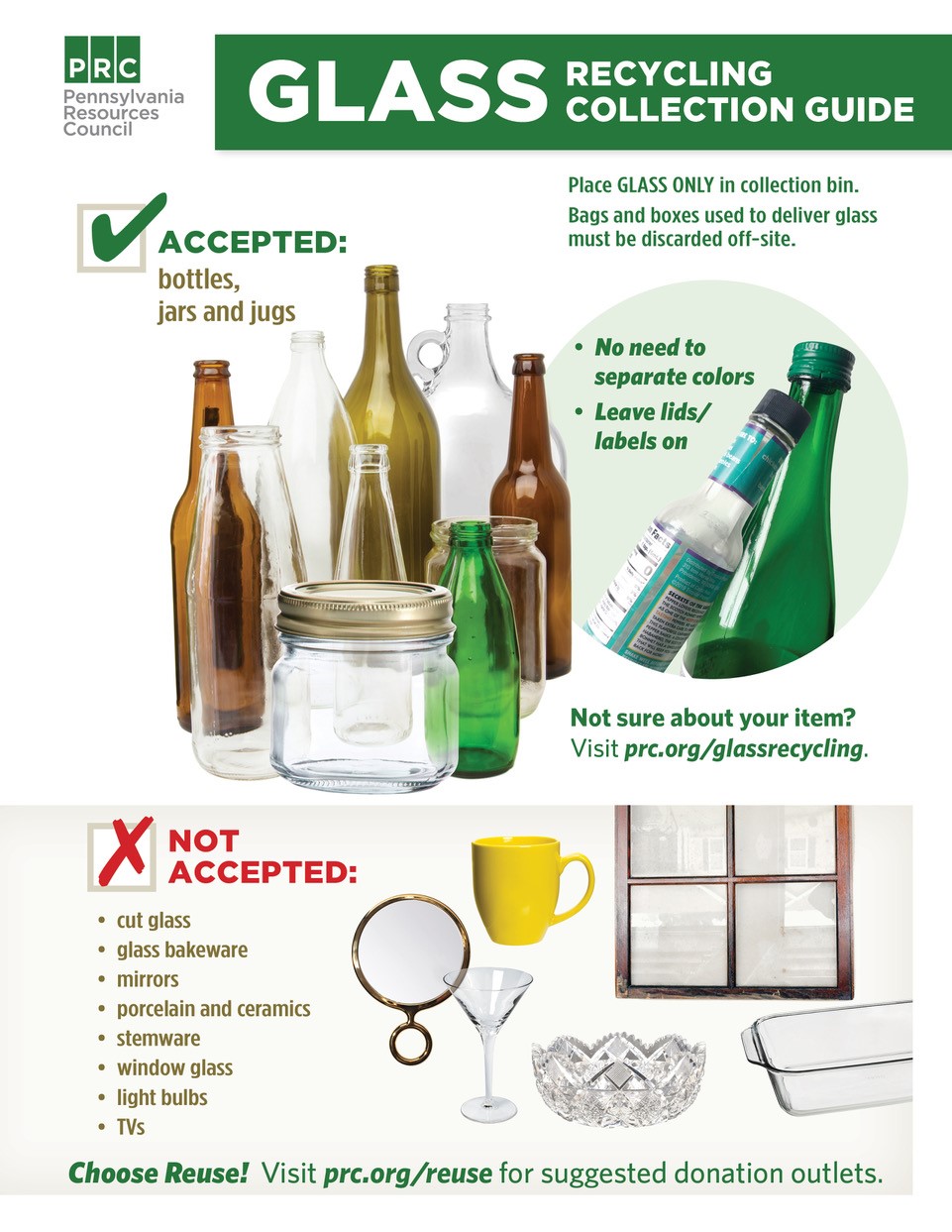
Clear, green, and brown glass bottles are usually accepted. These include bottles for beverages like water, soda, and beer. Some recycling programs also take food jars made of glass. Avoid recycling broken glass, mirrors, or window glass. These types can damage recycling machines.
Common Recycling Symbols
Look for the recycling symbol on glass bottles. It often shows a triangle made of arrows. Numbers inside the triangle indicate the type of material. Glass bottles usually have a “70” or “GL” code. These symbols help recycling centers sort materials correctly.
Preparing Glass Bottles For Recycling
Preparing glass bottles for recycling helps keep the process smooth and efficient. Proper preparation means cleaner materials and better recycling results. Small steps make a big difference in recycling quality.
Cleaning And Rinsing
Remove leftover liquids from bottles. Rinse them quickly with water. Clean bottles prevent contamination in recycling bins. No soap or detergent is needed. Just a simple rinse works well.
Removing Caps And Labels
Take off all caps before recycling. Caps are often made from different materials. Labels can stay on if they come off easily. Remove thick plastic or metal labels if possible. This helps machines sort glass better.
What Not To Recycle With Glass Bottles
Recycling glass bottles helps reduce waste and save energy. Knowing what not to recycle with glass bottles keeps recycling clean and effective. Mixing wrong items causes problems at recycling centers. It can stop the entire batch from being reused. Keep the recycling bin free of these items.
Broken Glass And Ceramics
Broken glass pieces are not the same as recyclable bottles. They often have different melting points and can damage machines. Ceramics like plates and cups do not melt like glass bottles. They contain other materials that ruin recycling batches. Never put broken glass or ceramics in the bottle recycling bin.
Non-recyclable Glass Items
Some glass items look like bottles but are not recyclable. Window glass, mirrors, and light bulbs belong in the trash. These types have different chemical properties and coatings. They can contaminate clean glass during recycling. Avoid tossing these items in the glass bottle bin to keep recycling pure.
Local Recycling Rules And Variations
Recycling rules for glass bottles vary by location. Each city or town sets its own guidelines. These rules help manage waste and keep recycling efficient. Understanding local variations is important for proper disposal.
Checking Municipal Guidelines
Start by visiting your city’s official website. Many places list recycling rules online. Look specifically for glass bottle recycling instructions. Some areas accept all glass, while others limit types. Follow these rules to avoid contamination.
Drop-off Centers Vs Curbside Pickup
Some towns offer curbside pickup for glass bottles. Others require you to bring glass to drop-off centers. Drop-off centers often accept more types of glass. Curbside programs may have size or color limits. Choose the option your area supports.
Benefits Of Recycling Glass Bottles
Recycling glass bottles helps protect the environment. It reduces waste in landfills and pollution in nature. Recycling also saves natural resources by reusing materials already made.
Using recycled glass lowers the need to dig up raw materials like sand and soda ash. This saves energy and reduces damage to the earth. Recycling glass supports a cleaner and healthier planet for everyone.
Environmental Impact
Recycling glass cuts down on landfill waste. Glass takes a very long time to break down. When recycled, it does not add to the growing waste problem.
It reduces pollution by lowering the need for new glass production. This means fewer chemicals and less air pollution. Recycling glass protects wildlife and natural habitats from harm.
Energy Savings
Making glass from recycled bottles uses less energy than new glass. It requires about 30% less energy. This lowers greenhouse gas emissions that cause climate change.
Energy saved from recycling helps reduce overall carbon footprints. This supports efforts to fight global warming. Recycling glass is a simple way to save energy and help the environment.
Troubleshooting Recycling Issues
Recycling glass bottles can sometimes cause issues that slow down the process. Problems often arise from how people prepare or sort their recyclables. Understanding these challenges helps improve recycling success and protects the environment.
Contamination Problems
Glass bottles must be clean and empty before recycling. Food residue or liquids inside can spoil other materials. Mixing broken glass with different types of recyclables causes sorting errors. Non-recyclable items in the bin also lead to contamination. Contaminated loads may be rejected and sent to landfills. Keeping glass separate and clean reduces contamination risks.
What Happens If Glass Is Not Recycled Properly
Improper recycling wastes resources and energy. Glass that ends up in landfills takes thousands of years to break down. It also increases pollution and harms wildlife habitats. Recycling glass saves raw materials and lowers carbon emissions. Proper recycling supports a cleaner environment and conserves natural resources. Small mistakes in recycling can cause big problems for the planet.
Frequently Asked Questions
Can Glass Bottles Go In Regular Recycling Bins?
Yes, most glass bottles are recyclable and can go in regular recycling bins. Rinse them to remove residue. Avoid placing broken glass or ceramics in the bin, as they can contaminate the recycling process.
Should Glass Bottle Caps Be Removed Before Recycling?
It’s best to remove metal or plastic caps before recycling glass bottles. Caps can interfere with recycling machinery. Recycle caps separately if your local facility accepts them. Otherwise, dispose of them in the trash.
Are All Glass Bottles Recyclable In Curbside Programs?
Not all glass bottles are accepted by curbside recycling programs. Colored glass or specialty glass may be excluded. Check your local recycling guidelines to confirm which types of glass bottles are accepted for curbside pickup.
What Happens To Glass Bottles After Recycling?
Recycled glass bottles are crushed into cullet and melted to make new glass products. This process saves energy and reduces raw material use. Glass can be recycled endlessly without losing quality or purity.
Conclusion
Glass bottles belong in the recycling bin, but with care. Rinse them well to avoid contamination. Remove caps or lids before recycling. Broken glass may not be accepted in some areas. Check local recycling rules to be sure. Recycling glass helps save energy and reduce waste.
Small efforts make a big difference for the planet. Keep recycling simple and smart for a cleaner future.
