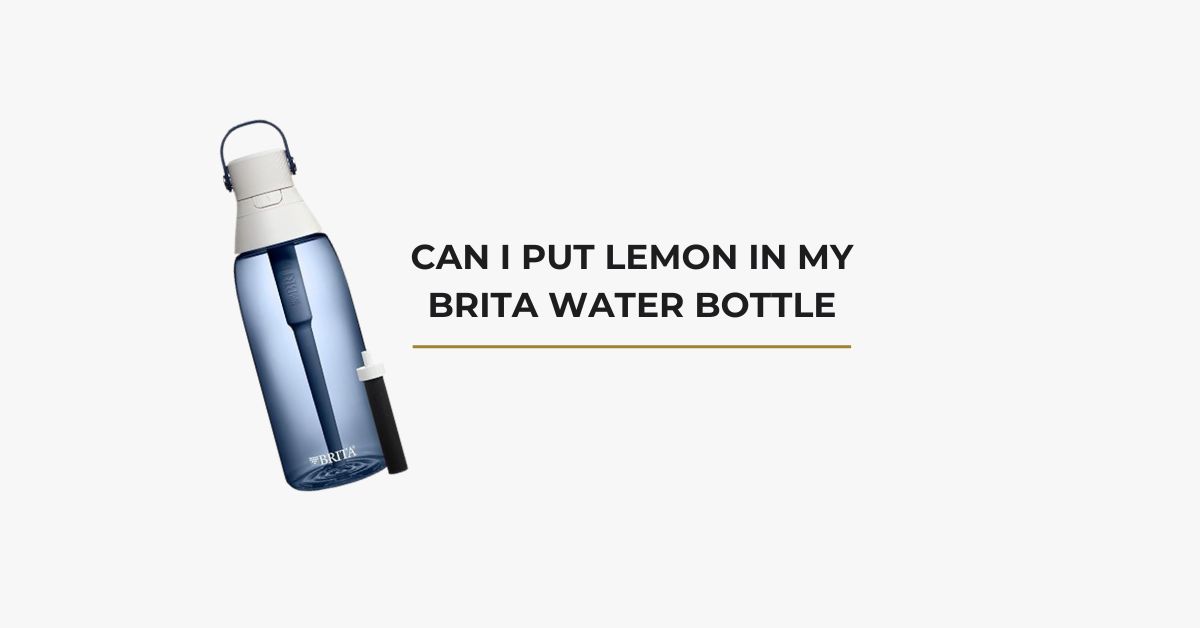
Putting a lemon slice in your Brita bottle of water or mixing lemon juice into it can cause mould and other bacteria to grow inside the bottle. Brita bottles are designed to hold only hot or cold tap water. However, I know a trick: after adding lemon juice for flavour, remove it within 12 hours to prevent bacterial growth and residue buildup in the bottle.
Can I put flavoured water in my BRITA water bottle?
No, you should not put flavoured water or drink mixes directly in your BRITA water bottle. BRITA bottles filter the water through the straw right before you drink, so the filter will likely remove the flavouring from your water. The filters are not designed to handle additives such as sugars, artificial sweeteners, and colourants found in flavour packets.
Flavour packets and drink mixes can clog your filter, significantly reducing its lifespan. If you want flavoured water, filter the water first, then add natural ingredients like fruit slices or herbs to a separate container. This approach keeps your filter working properly while still giving you tasty hydration options.
Is it okay to put lemon in a metal water bottle?
Yes, putting lemon in a stainless steel water bottle is completely safe. Stainless steel is specifically designed to resist corrosion and rust, even when exposed to acidic beverages like lemon water. The metal forms a passive corrosion layer to prevent the acid from damaging the walls.
However, avoid aluminum bottles entirely. Acidic liquids like lemon juice react with aluminum and can cause the metal to dissolve into your drink. When using lemon in stainless steel bottles, clean them regularly to prevent residue buildup and potential staining.
Can you put fruit in a Brita pitcher?
Yes, but only after filtering. Add your favourite fruits to your pitcher, fill it with filtered Brita water, and let the magic begin. Keep infused water at room temperature for 1–2 hours or refrigerated for 3–4 hours for the best flavour.
Never add fruit directly to the filter reservoir. Fruit bits can get caught in the filter and eventually ruin any water you drink after. Filter your water first, then transfer it to a separate pitcher or glass where you can safely add sliced fruits.
Does Brita remove chlorine from water?
Yes, Brita filters effectively remove chlorine from tap water. All Brita filters cut chlorine taste and odour and reduce other contaminants. In testing, the Brita Elite Filter reduced 100% of chlorine, from 1 PPM down to undetectable levels.
Activated carbon granules act like a sponge, reducing the taste and odour of mercury and chlorine. Brita filters achieve up to 99% chlorine removal efficiency. This makes your drinking water taste cleaner and fresher without that chemical pool smell.
What does the Brita water bottle filter out
Brita bottle filters use a carbon block to reduce chlorine taste and odour, as well as particulates, as water passes through. Bottle filters remove chlorine, taste, smell, and sediments for cleaner, fresher drinking water on the go.
Brita bottle filters use coconut-based activated carbon in a housing made without BPA to filter out contaminants found in tap water, while preserving healthy minerals and electrolytes. Replace filters every two months for best results.
What can Brita not filter?
Brita filters cannot remove bacteria like E. coli, viruses, parasites such as Giardia and Cryptosporidium, or fluoride from your water. They also miss pesticides, trace pharmaceuticals, and nitrates. Standard Brita pitchers use activated carbon, which works well for taste but lacks the technology needed to address microbial threats.
For comprehensive purification against bacteria and viruses, you’ll need reverse osmosis or UV treatment systems. These methods also handle arsenic, nitrites, and other harmful substances beyond Brita’s reach. Always test your water first to know precisely what filtration level your household actually requires.
Is it healthy to put lemon in your drinking water?
Yes, lemon water is good for you. Squeezing the juice of one lemon into a glass of water provides about 21% of your daily vitamin C needs. This vitamin acts as an antioxidant, protecting your cells from disease and supporting your immune system naturally.
Lemon water may also help digestion, decrease kidney stone risk, and improve blood sugar management with meals. However, citric acid may erode tooth enamel over time, so drink through a straw and rinse afterward. One to two glasses daily is considered safe for most people.
Does lemon juice react with aluminum?
Yes, lemon juice reacts with aluminum and can dissolve it. The citric acid in lemons can cause aluminum foil and cookware to break down into small particles that leach into your food, creating a metallic taste and a grayish discoloration.
When lemon juice comes into contact with aluminum, corrosion occurs, leading to pitting and damage over time. To avoid this, add lemon juice toward the end of cooking after removing food from aluminum pans. For storage, use stainless steel or glass containers instead.
Is lemon juice in a bottle healthy?
Bottled lemon juice is low in calories and contains vitamin C, folate, and potassium. Still, fresh lemon juice contains significantly more vitamin C. Pasteurization destroys many heat-sensitive nutrients, leaving bottled versions with only a fraction of the original vitamin content.
Bottled lemon juice usually contains additives and preservatives such as sodium metabisulfite. Sulphites can cause allergic reactions in some people, particularly those with asthma. If buying bottled, read ingredient labels and choose brands with 100% pure lemon juice.
Is it okay to drink lemon water in a stainless steel cup?
Yes, it’s okay to put lemon in a stainless steel water bottle because the material has anti-corrosive properties, letting it withstand most acidic substances. Food-grade stainless steel, such as 304 or 18/8, is non-reactive and won’t corrode when used with acidic drinks.
However, don’t leave lemon water in the cup for more than 12 hours, as extended contact increases the risk of slight metallic leaching. Clean your cup after each use to prevent residue buildup and keep the stainless steel in good condition.
Which is healthier, Brita or bottled water?
Both filtered water and bottled water can provide healthier, better-tasting water. However, bottled water contains about 60 times more microplastics than tap water, while Brita’s Elite filter removes 99% of lead and reduces chlorine, mercury, and other contaminants.
Researchers found that a litre of bottled water contains about 240,000 tiny pieces of plastic, of which 90% are nanoplastics small enough to enter cells. Filtered water is a better choice for ensuring safe drinking water, as it is more cost-effective and environmentally friendly than single-use plastic bottles.
How can I make Brita water taste better?
Add fresh fruit like lemon slices, cucumber, or mint leaves to your filtered water for a natural boost of flavour. Replace your Brita filter every two months or every 40 gallons to prevent stale taste from old cartridges. Fill ice cube trays with filtered water for refreshing cold drinks.
If your water tastes like plastic, try upgrading to a glass pitcher, as water can absorb flavours from plastic. Thoroughly clean the pitcher and fridge regularly to prevent odours from being absorbed. Chill the pitcher properly since filtered water tastes best when served cold.
What metals react with lemon juice?
Metals like zinc, magnesium, and aluminum react with lemon juice due to its acidic nature. The citric acid in lemon juice breaks down the metal surface, causing fizzing and bubbles as hydrogen gas is released.
Copper and iron show little to no reaction because they form protective oxide layers. This makes lemon juice effective for cleaning some metals but not others, based on their chemical properties and reactivity with acids.
Can lemon juice break down plastic?
Lemon juice cannot break down plastic. Plastics are made from strong polymers that resist natural acids, such as citric acid in lemon juice. While lemon juice may clean plastic surfaces, it does not cause any chemical breakdown or degradation.
Plastic breakdown requires strong chemicals, heat, or UV light over time. Lemon juice’s mild acidity is insufficient to alter the plastic’s structure. Therefore, lemon juice is safe for cleaning but ineffective for decomposing plastic materials.
Conclusion
You should not put lemon in a Brita water bottle, because the acidity, pulp and oils can damage or clog the filter and leave residues that promote bacterial growth inside the bottle. While lemon is safe to drink, it isn’t compatible with Brita’s filtration system.
For the safest experience, filter your water first, pour it into a regular reusable bottle or glass, and then add lemon separately. This way, you still enjoy flavoured water without harming your Brita bottle or reducing the filter’s effectiveness.
