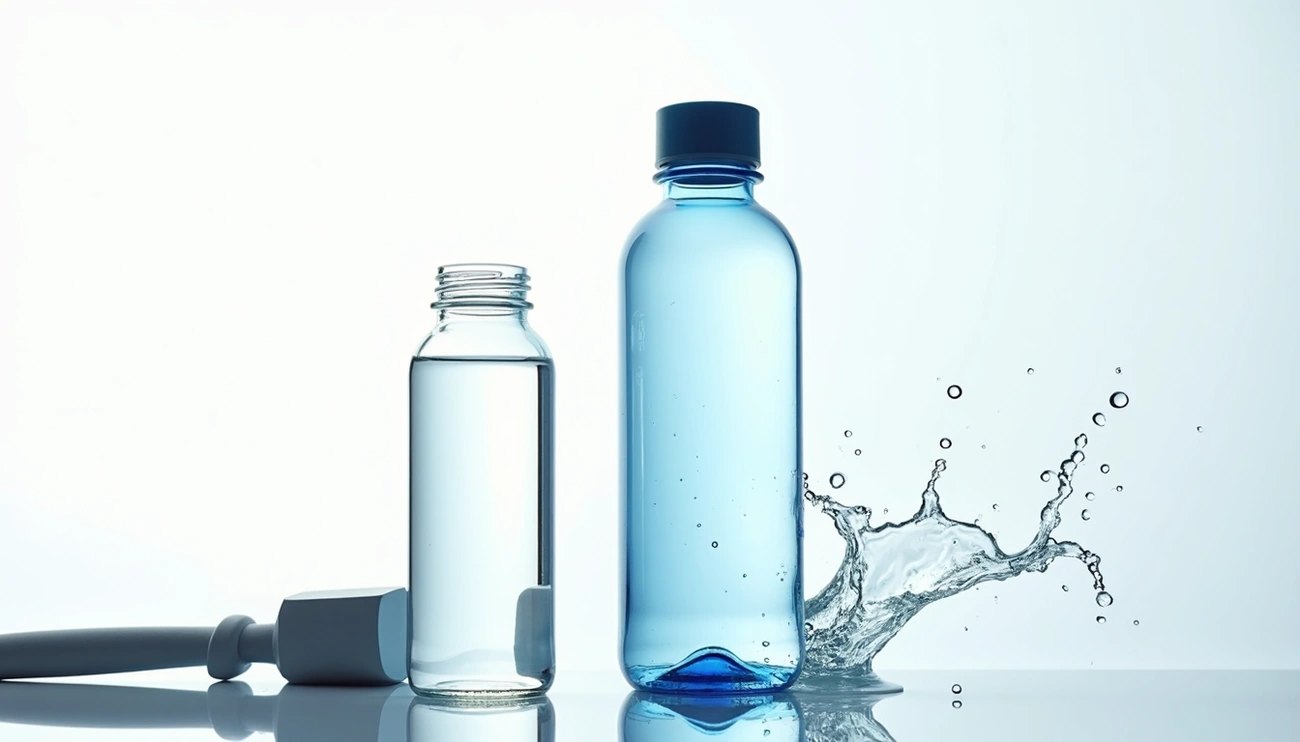
Yes, Tritan™ bottles are BPA free. Tritan is an engineered plastic that contains no Bisphenol A (BPA) or other bisphenol compounds. Manufacturers use Tritan for water bottles and food containers because it is clear, shatter resistant, dishwasher safe, and able to withstand high temperatures.
What is Tritan Plastic and Why It Matters
Tritan plastic represents a significant advancement in materials science, developed by Eastman Chemical Company in 2007 as an alternative to traditional polycarbonate plastics. Understanding what makes this material special helps explain why it has become increasingly popular in consumer products.
How Tritan differs from traditional plastics
Unlike conventional plastics, Tritan is completely free of bisphenol compounds, including BPA and BPS. This addresses growing health concerns associated with traditional polycarbonates. Furthermore, Tritan offers exceptional durability – it’s 68% stronger than traditional polyesters and approximately 40% stronger than polycarbonate.
The material possesses remarkable impact resistance, outperforming both polycarbonate (PC) and acrylic (PMMA) in resisting cracks and shatters. Consequently, products made with Tritan maintain their integrity even after years of repeated use and dishwasher cycles.
The role of copolyester in Tritan’s composition
At its core, Tritan is a specific type of copolyester formed through a precise chemical combination. The material consists of three primary monomers:
- Dimethyl terephthalate (DMT)
- Cyclohexanedimethanol (CHDM)
- 2,2,4,4-Tetramethyl-1,3-cyclobutanediol (CBDO)
This specific formulation gives Tritan its glass-like clarity while maintaining superior physical properties. Specifically, the copolyesterification process results in a material that resists stains, odors, and damage from repeated washing.
Common uses of Tritan in consumer products
Given its unique combination of safety and durability, Tritan has found applications across numerous product categories. The material is commonly used in:
Water bottles and hydration products, where safety and durability are paramount Kitchen appliances like blenders, food processors, and measuring cups Food storage containers that resist staining and odor retention Baby products, including bottles and sippy cups Medical devices where clarity and chemical resistance are essential
For outdoor enthusiasts and daily users alike, Tritan offers peace of mind through its combination of safety certification and remarkable durability. Most importantly, it provides manufacturers with a way to meet consumer demand for BPA-free products without compromising on performance or esthetics.
Is Tritan BPA Free and Safe to Use?
Safety concerns about plastic bottles have prompted many to ask: are Tritan bottles BPA free? The answer is a resounding yes. Beyond this simple answer, however, lies a deeper story about why this matters for your health.
Understanding BPA and other bisphenols
Bisphenol A (BPA) has been used in polycarbonate plastics since the 1960s. This chemical has raised significant health concerns after studies linked it to hormonal disruption, infertility, diabetes, heart disease, and reproductive issues.
Moreover, BPA isn’t alone – alternatives such as bisphenol S (BPS) and bisphenol F (BPF) emerged as replacements, yet these compounds may be equally problematic.
The European Chemical Agency has identified many bisphenols as potentially damaging fertility and disrupting hormonal systems.
Is Tritan plastic safe for food and drink?
Extensive testing supports Tritan’s safety profile. Independent third-party laboratories have conducted rigorous evaluations, confirming that Tritan is free from chemicals that activate estrogenic activity (EA) and androgenic activity (AA).
These tests included computer modeling of molecular structures and receptor transactivation assays that evaluated the material’s potential to bind with hormone receptors. Nevertheless, some studies have raised questions about potential leaching under stressed conditions such as simulated sunlight.
What does ‘BPA-free Tritan plastic’ really mean?
“BPA-free” labels can sometimes be misleading as products might contain other bisphenols. However, Tritan stands apart since it contains no bisphenol A, bisphenol S, or any other bisphenol compounds. Essentially, Tritan’s copolyester composition is fundamentally different from plastics that contain BPA. This distinction matters because it’s not merely replacing one problematic chemical with another.
Certifications from FDA, EFSA, and others
Tritan has received clearance from numerous regulatory agencies worldwide:
- U.S. Food and Drug Administration
- European Food Safety Authority
- Health Canada
- China’s Ministry of Health
- Japan Hygienic Olefin and Styrene Plastics Association
Furthermore, Tritan has earned NSF International approval for food equipment materials and drinking-water system components. The material has even achieved Cradle to Cradle Platinum Material Safety Certification, representing the highest standard for material health.
How Tritan Plastic is Tested for Safety
To validate safety claims about Tritan plastic, extensive testing has been conducted by both Eastman Chemical and independent laboratories. These tests aim to address concerns about potential health impacts beyond just BPA content.
Overview of third-party lab testing
Rigorous evaluation of Tritan involves multiple independent laboratories using standardized protocols. Eastman conducts internal testing yet simultaneously relies on accredited universities and third-party labs to confirm their findings. These comprehensive assessments examine not only finished products but also the raw materials and manufacturing process to ensure no harmful compounds are present or formed.
Estrogenic and androgenic activity explained
Estrogenic activity (EA) occurs when chemicals mimic natural estrogen hormones, potentially disrupting the endocrine system. Androgenic activity (AA) similarly involves interference with male hormones. Both activities raise concerns as they may affect hormonal balance and reproductive health. Tests for these activities are crucial as some BPA-free materials might still exhibit hormonal effects.
Key studies and their findings
Multiple testing methodologies have been employed to evaluate Tritan:
- Quantitative structure activity relationships (QSAR) – Computer modeling of molecular structures
- Receptor transactivation assays – Examining binding to hormone receptors
- Uterotrophic and Hershberger assays – In vivo tests considered the “gold standard”
According to Eastman-sponsored research, these tests have “uniformly negative responses,” indicating Tritan is free from estrogenic and androgenic activity. Nonetheless, a 2011 study published in Environmental Health Perspectives claimed 72% of tested plastics, including some Tritan products, leached chemicals with estrogenic activity.
Legal disputes and scientific controversies
A significant legal battle erupted between Eastman Chemical and PlastiPure/CertiChem companies. PlastiPure claimed their testing showed Tritan exhibited estrogenic activity under certain stress conditions.
Eastman sued for false advertising, arguing PlastiPure’s MCF-7 test was “known in the scientific community to be non-definitive”. Although Eastman won the lawsuit in 2013, some scientists argue that courts cannot determine scientific questions.
Durability, Usability, and Care Tips
Durability remains one of the most compelling features of Tritan bottles alongside their BPA-free composition. These sturdy containers offer practical benefits that make them increasingly popular for daily use.
Is Tritan dishwasher and microwave safe?
Tritan plastic excels in dishwasher environments, demonstrating outstanding durability in both residential and commercial applications. The material resists degrading and stress cracking even when exposed to hot, wet dishwasher conditions with cleaning solutions. For microwave usage, the situation varies slightly.
Eastman’s official position confirms that Tritan Renew is microwave safe up to 100°C (212°F), temperatures achievable through conventional or microwave heating. Yet, some manufacturers recommend heating liquids in 30-second intervals to prevent overheating. As well as this, certain Tritan products with metallic decorative elements should not be microwaved.
How long does Tritan last?
Under proper care, Tritan bottles typically last between 3-5 years. Their remarkable durability allows them to withstand hundreds of dishwasher cycles, numerous hiking trips, and even significant drops.
During testing, Tritan has survived more than 150 dishwasher cycles before showing any signs of distress. Furthermore, it can endure drops from 1.5 meters high without breaking. Given these qualities, Tritan outlasts glass, other plastics, and most comparable materials when evaluated through third-party testing.
Best practices for cleaning and maintenance
For maximum longevity of your Tritan bottles:
- Wash regularly with mild soap and warm water, using a bottle brush for hard-to-reach areas
- Either hand wash or place on the top rack of your dishwasher
- For odor removal, try a mixture of vinegar and water or baking soda paste
- Dry thoroughly after cleaning and store with the lid off to prevent moisture build-up
- Avoid extreme heat, including boiling water or leaving bottles in hot cars
- Clean bottle components, especially rubber seals and lids, separately by hand
Ultimately, proper maintenance ensures your BPA-free Tritan bottles remain safe and functional for years.
Conclusion
Tritan bottles truly stand out as a superior alternative in the water bottle market. Safety concerns regarding traditional plastics have pushed many consumers toward BPA-free options, and Tritan certainly delivers on this promise.
The material contains absolutely no bisphenol compounds—neither BPA nor its potentially harmful substitutes like BPS and BPF. This makes Tritan an excellent choice for health-conscious individuals worried about hormone disruption and other health issues associated with bisphenols.
Beyond safety, Tritan offers remarkable durability advantages. The material proves 68% stronger than traditional polyesters and about 40% stronger than polycarbonate. This exceptional strength allows Tritan bottles to withstand drops, temperature changes, and hundreds of dishwasher cycles without compromising their integrity.
