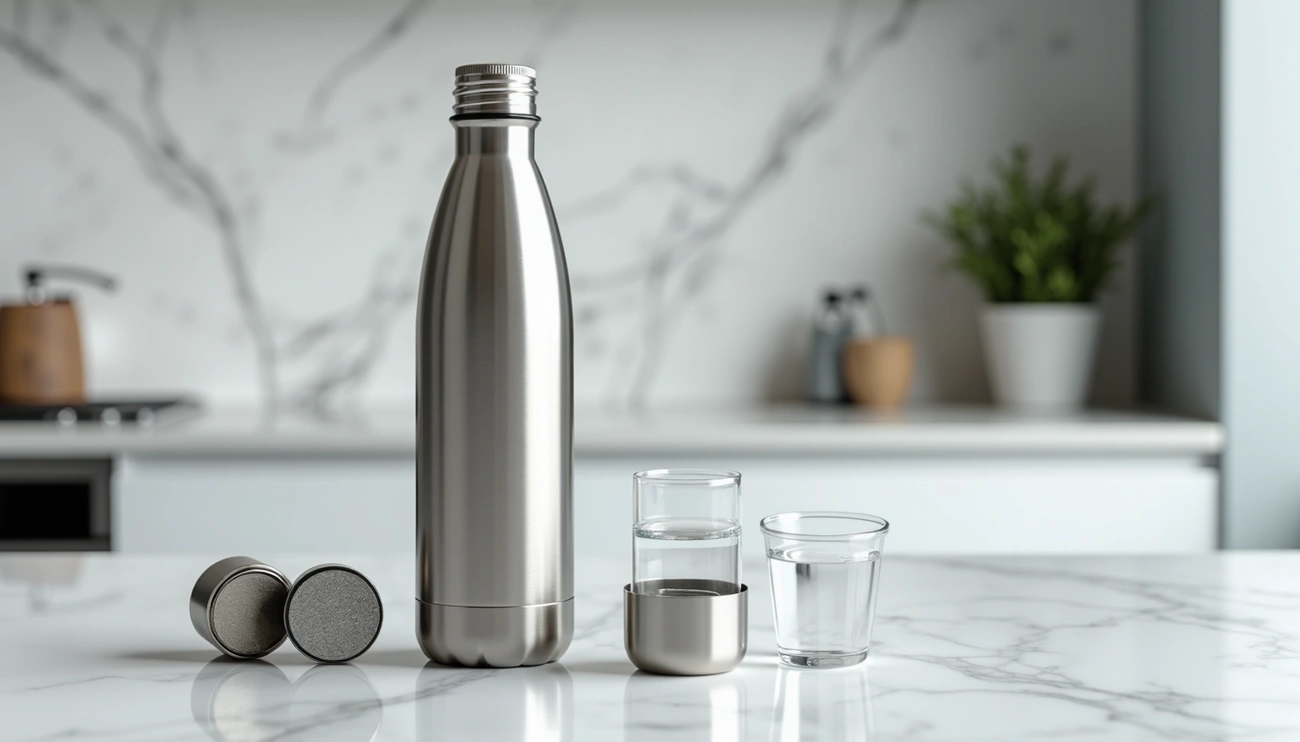
Yes, Thermos water bottles are generally safe to use. Thermos bottles are made from food-grade stainless steel, are BPA-free, and undergo safety testing. Avoid damaging the sealed lead dot on the bottom of some vacuum-insulated models, keep bottles clean to prevent bacteria growth, and choose reputable Thermos products using 304 or 316 stainless steel.
What are thermos water bottles made of?
Modern thermos bottles rely on sophisticated engineering that keeps your beverages at ideal temperatures for hours. The science behind these containers is more complex than you might think.
Understanding vacuum insulation
Vacuum insulation serves as the cornerstone of thermos technology. A thermos consists of two vessels – one placed within the other and joined at the neck. Between these two walls exists a partial vacuum that dramatically reduces heat transfer through conduction and convection. The absence of air molecules in this space essentially creates a barrier where heat struggles to move across. Additionally, many thermos bottles feature silvered surfaces facing the vacuum gap, which minimizes heat transfer through radiation. This triple-threat protection against heat movement explains why quality thermos bottles can maintain hot drinks above 140°F for 24 hours.
Materials used in thermos bottles
Thermos bottles typically utilize several key materials. Traditionally, these vessels featured glass envelopes holding the vacuum, encased in plastic or metal for protection. Today, most premium thermos bottles consist of double-walled stainless steel with vacuum insulation between layers. Some high-end models also incorporate copper coating in their design to enhance insulation performance. The outer shells usually comprise stainless steel, borosilicate glass, foam, or plastic depending on the manufacturer and intended use. Nonetheless, stainless steel remains the most popular choice for modern thermos bottles due to its durability and safety profile.
Difference between 201, 304, and 316 stainless steel
Not all stainless steel offers equal performance or safety. The three primary grades used in thermos bottles are:
201 Stainless Steel: This industrial-grade option contains high manganese levels and significantly less nickel than other grades. Consequently, it offers poor corrosion resistance and may leach heavy metals when exposed to acidic beverages. Primarily used in decorative applications, 201 steel is generally unsuitable for food contact.
304 Stainless Steel: Considered food-grade, this contains 18-20% chromium and 8-10.5% nickel. Its exceptional corrosion resistance makes it ideal for kitchen applications, including water bottles. Often labeled as “18/8” or “SUS304,” this grade meets FDA standards for food contact safety.
316 Stainless Steel: This premium “medical-grade” option adds 2-3% molybdenum to the 304 formula. This addition substantially improves resistance to salt, chlorides, and acids. Though 20-40% more expensive than other options, its superior durability makes it ideal for brewing tea, coffee, or storing acidic beverages.
Are thermos water bottles safe for health?
The safety profile of thermos water bottles depends largely on their material composition and manufacturing quality. As we examine health considerations, several factors merit careful attention.
Heavy metal leaching and its risks
Quality matters tremendously when selecting a thermos bottle. Low-quality stainless steel may leach harmful substances like nickel and chromium, especially when storing acidic drinks. Research shows that acidification significantly increases leaching of copper, iron, zinc, and lead from water bottle components. Even neoprene stoppers under acidified conditions can leach lead—a substance with no safe exposure level. These metals pose various health concerns: excess copper and zinc potentially affecting experimental outcomes, iron increasing absorption of toxic metals, and lead causing neurodevelopmental issues in children.
BPA and microplastic concerns
Unlike plastic alternatives, food-grade stainless steel provides a non-toxic substitute for your daily hydration needs. This distinction matters because plastic bottles typically contain bisphenols like BPA, which mimic estrogen in the body and are linked to reduced fertility, abnormal puberty timing, and behavioral problems. Moreover, scientists have discovered microplastics in human lungs, breast milk, and placental tissue. Stainless steel eliminates these risks as it doesn’t leach chemicals or alter beverage properties under normal conditions.
Is thermosteel water bottle safe?
Primarily, genuine thermosteel bottles made from food-grade 304 or 316 stainless steel are safe for everyday use. These grades resist corrosion, don’t react with liquids, and prevent chemical leaching. Nevertheless, caution is warranted with some insulated bottles, as certain models use lead in vacuum-sealing processes. While this lead is typically covered by a stainless steel barrier, exposure could occur if this covering becomes damaged.
How stainless steel prevents mold and bacteria
Stainless steel offers substantial advantages in preventing microbial growth. Unlike plastic, it features a non-porous surface where bacteria and mold can’t easily hide. This characteristic makes it exceptionally resistant to stains and odors. Still, regular cleaning remains essential, as bacteria can develop in any reusable container if not properly maintained. Experts recommend daily cleaning with hot water and dish soap, paying special attention to sealing parts where moisture accumulates.
How to use thermos bottles safely
Proper usage habits determine whether your thermos bottle remains a safe hydration companion. Even premium stainless steel can become problematic with improper use.
Avoid storing milk, tea, or acidic drinks
Despite their insulating capabilities, thermos bottles aren’t suitable for everything. Dairy products spoil quickly in the warm environment, potentially causing digestive issues. Acidic beverages like fruit juice or carbonated drinks can corrode the inner liner, especially in lower-quality thermos bottles, potentially releasing heavy metals. Furthermore, tea nutrients break down when steeped at high temperatures for extended periods, making it bitter and less beneficial.
Proper cleaning and maintenance tips
Daily cleaning prevents bacteria buildup and maintains your bottle’s performance. For routine cleaning, use mild dish soap and warm water with a bottle brush. For stubborn stains, try:
- Soaking with vinegar and baking soda for an hour
- Using denture tablets with hot water overnight
- Cleaning silicone rings separately in a 50/50 water-vinegar solution
Are thermos water bottles dishwasher safe?
Most thermos manufacturers claim their products are top-rack dishwasher safe, yet hand-washing remains recommended. High heat and pressure in dishwashers can damage the vacuum seal, compromising insulation performance. This damage typically isn’t covered under warranty.
Signs your thermos may be unsafe
Watch for hot spots on the exterior after filling with boiling water, indicating compromised insulation. Likewise, rapidly melting ice suggests vacuum seal failure. Interior discoloration often indicates buildup rather than damage, whereas chips or cracks signal it’s time for replacement.
How to choose a safe thermos bottle
Selecting a safe thermos bottle requires attention to several key factors that many shoppers overlook. Let me guide you through the essentials of making a smart purchase.
Check for food-grade certification
First, verify that the bottle meets recognized safety standards. Look for FDA compliance if you’re in the US or LFGB certification for European markets. These certifications confirm the bottle has been tested for harmful chemicals and heavy metals. In fact, reputable manufacturers will explicitly state their compliance with these standards on packaging or product descriptions.
Look for 304 or 316 markings
Primarily, seek out bottles labeled as “304 stainless steel” (also known as 18/8) or “316 stainless steel”. The 304 grade provides strong resistance to rust and corrosion and meets FDA standards for food contact safety. For even better protection, especially with acidic beverages, 316 stainless steel includes molybdenum, offering superior resistance to acids, chlorides, and salt.
Buy from trusted brands and sources
Above all, purchase from established manufacturers with proven safety records. Many bottles made in China have been found to contain high levels of lead. As a result, brands like HydroFlask are recommended for their lead-free manufacturing processes.
Consider a non plastic water bottle option
For this reason, I recommend stainless steel as a superior alternative to plastic. Unlike plastic bottles, steel options don’t leach chemicals or microplastics into your beverages.
Conclusion
Thermos water bottles can be perfectly safe for daily use, though their safety depends largely on the quality of materials used. After examining the evidence, we now understand that food-grade 304 or medical-grade 316 stainless steel bottles offer the best safety profiles for our hydration needs. These materials effectively eliminate concerns about microplastics and BPA that plague plastic alternatives.
Certainly, not all thermos bottles deserve your trust. Low-quality options made with 201 stainless steel pose significant health risks due to potential heavy metal leaching, especially when filled with acidic beverages. Therefore, always check for proper certification and material specifications before making a purchase.
Proper maintenance plays a crucial role in ensuring your thermos bottle remains safe. Daily cleaning with mild soap prevents bacterial growth, while avoiding storage of dairy products and acidic drinks protects both your bottle’s integrity and your health. Additionally, watch for warning signs like hot spots or interior damage that might indicate your thermos is no longer safe to use.
