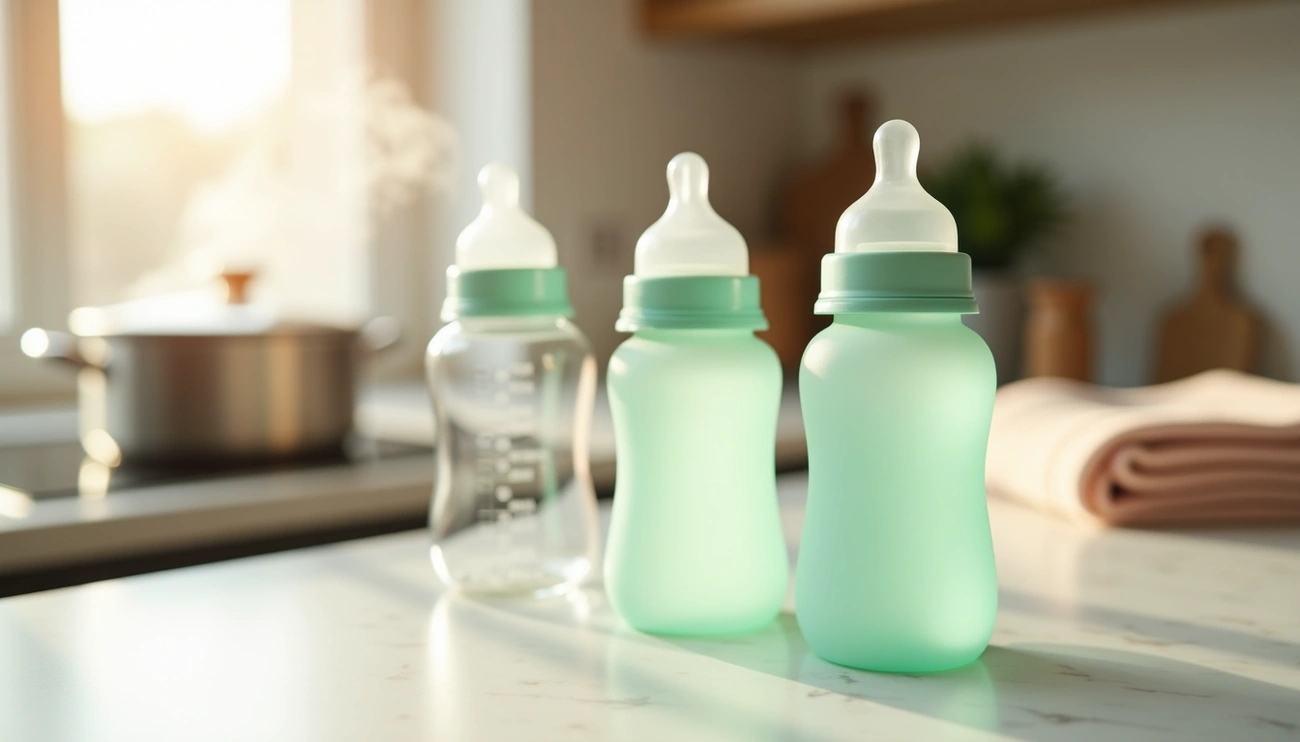
Yes, silicone baby bottles are safe for infants when made from food-grade silicone. Silicone bottles contain no BPA, PVC, or phthalates, resist high heat up to 428°F (220°C), and allow frequent sterilization. Choose reputable brands and replace bottles every 6–12 months to maintain safety.
What Makes Silicone Baby Bottles Safe?
Silicone baby bottles have gained popularity primarily because of their safety profile. As parents become increasingly aware of what materials touch their baby’s food, understanding what makes silicone safe becomes essential.
Free from BPA, PVC, and phthalates
The absence of harmful chemicals sets silicone apart from many plastic alternatives. Silicone bottles are naturally free from Bisphenol-A (BPA), polyvinyl chloride (PVC), and phthalates. These chemicals, often found in traditional plastic products, can leach into food or liquids, potentially affecting your baby’s health.
BPA has been linked to hormonal disruptions, especially concerning for developing infants. Moreover, many “BPA-free” plastic alternatives still contain similar compounds like BPS (Bisphenol-S) or BPF (Bisphenol-F), which may pose comparable risks. Fortunately, high-quality silicone completely sidesteps these concerns as it doesn’t require these chemicals in its composition.
Food-grade and medical-grade silicone explained
Not all silicone is created equal. Food-grade silicone must comply with international safety standards, ensuring the material remains non-toxic, odorless, tasteless, heat-resistant, and free of harmful substances. This grade of silicone is typically certified by regulatory bodies such as the U.S. Food and Drug Administration (FDA) and the European Food Safety Authority (EFSA).
Medical-grade silicone represents an even higher standard, with superior purity and almost no impurities. Manufactured in clean rooms using special processing techniques, medical-grade silicone undergoes rigorous biocompatibility testing to ensure safety when in contact with human tissues and fluids. Therefore, baby products made from medical-grade silicone offer an additional layer of safety assurance.
Are silicone bottles safe for babies?
Based on current research, silicone bottles are indeed safe for babies when made from high-quality, food-grade materials. Extensive testing shows that food-grade silicone does not release toxic chemicals under normal use conditions. Additionally, silicone remains stable through sterilization methods including boiling and steam cleaning.
Nevertheless, some studies suggest silicone may leach at extremely low or high temperatures. As a precaution, you might consider avoiding freezing silicone bottles or using them with very hot liquids.
Overall, silicone bottles provide an excellent middle ground between glass and plastic options—combining the lightweight durability of plastic with the chemical inertness more characteristic of glass. For parents seeking a practical yet safe bottle solution, silicone represents a reliable choice for daily feeding.
How Silicone Bottles Handle Heat and Wear
Parents often wonder about the longevity of baby feeding equipment. Silicone baby bottles offer unique advantages in handling daily use, temperature changes, and regular cleaning.
Heat resistance and sterilization safety
The thermal stability of silicone sets it apart from other bottle materials. Quality silicone bottles can withstand temperatures ranging from -40°C to 230°C, making them suitable for freezing, boiling, and microwave heating without deformation. This exceptional heat resistance allows silicone bottles to endure repeated sterilization without warping or degrading.
For proper sterilization, simply boil silicone bottle parts for 5-10 minutes or use steam sterilizers according to manufacturer instructions. Alternatively, UV sterilization offers a chemical-free method appropriate for silicone feeding accessories. This resilience to high temperatures means parents can thoroughly sanitize bottles without compromising their integrity.
Durability over time and signs of wear
Silicone bottles remain remarkably durable through daily use. As opposed to plastic alternatives that scratch and degrade, silicone maintains its structure even after repeated cleanings and feedings. Its flexible yet strong nature allows babies to squeeze bottles without causing permanent damage.
However, certain factors can affect longevity. Prolonged exposure to sunlight may cause discoloration and weakening. Regular temperature fluctuations—switching between hot sterilization and cold refrigeration—create expansion and contraction that can stress the material over time.
Routinely check bottles for:
- Cracks or tears in the silicone
- Changes in texture or flexibility
- Discoloration beyond surface stains
- Any unusual odors that persist after cleaning
When to replace a silicone bottle
Despite their durability, silicone bottles aren’t immortal. Replace them immediately if you notice damage like cracks, leaks, or material changes. These imperfections can compromise safety and harbor bacteria even after cleaning.
Although manufacturer recommendations vary, many suggest replacing silicone bottle nipples every 2-3 months, particularly if used frequently. The bottles themselves typically last longer—4 to 6 months or more with proper care.
Regular inspection remains your best guide. If your silicone bottles show no concerning signs of wear, they may safely serve your baby longer than plastic alternatives.
Silicone vs Plastic vs Glass Baby Bottles
When choosing between different baby bottle materials, understanding their unique properties helps make an informed decision for your baby’s feeding needs. Each material offers distinct advantages and limitations worth considering.
Silicone vs plastic baby bottles: safety and lifespan
Plastic bottles dominate the market due to affordability and variety, yet silicone outperforms them in several key areas. Primarily, silicone bottles don’t contain harmful chemicals like BPA, PVC, and phthalates that may be present in some plastic options. Even with “BPA-free” plastic bottles, concerns about other chemicals such as BPS remain.
Regarding durability, plastic bottles typically need replacement every 3-6 months due to scratching and degradation. They easily become cloudy or stained with continued use. In contrast, silicone bottles maintain their integrity longer, resisting heat damage and physical impacts.
Silicone vs glass baby bottles: weight and breakability
Glass bottles offer exceptional chemical stability – they’re inert, odor-resistant, and don’t leach substances. Plus, they essentially last indefinitely with proper care. The drawbacks? They’re significantly heavier than silicone alternatives and can shatter if dropped.
Silicone bottles present the perfect middle ground – they’re lightweight like plastic yet chemically safer like glass. Their soft, flexible nature makes them comfortable for babies to hold independently. Should they fall, they simply bounce rather than break.
Which is better for daily use?
For everyday practical use, silicone bottles often emerge as the balanced choice. Their flexibility creates a breast-like feel that many babies prefer. They’re dishwasher safe, resist stains better than plastic, and typically feature wide openings for easy cleaning.
For families constantly on the move, silicone’s lightweight durability makes it ideal for daycare or travel. Glass remains the purest option for home use, whereas plastic offers the most economical solution for parents on tight budgets.
Ultimately, the best choice depends on your specific priorities – chemical safety, durability, weight, or cost.
Using Silicone Bottles Safely and Effectively
Proper maintenance of silicone bottles is fundamental for safeguarding your baby’s health. Beyond selecting the right material, knowing how to care for these bottles ensures they remain both safe and functional.
Cleaning and sterilizing tips
After each feeding, rinse bottles immediately with cool water to prevent milk residue from hardening. For thorough cleaning, completely disassemble the bottle—separating the nipple from the collar—and wash each part individually using a dedicated bottle brush. Sanitizing provides an extra layer of protection, particularly important for newborns, premature babies, or infants with weakened immune systems.
For effective sterilization, you can:
- Boil bottle parts for 5 minutes in water
- Use a steam sterilizer (microwave or electric)
- Apply chemical sterilization solutions when traveling
Avoiding damage and extending lifespan
Store silicone bottles in a clean, dry place away from direct sunlight, as UV exposure can damage the material. Inspect nipples and bottles regularly for signs of wear—cloudiness, tears, cracks, or texture changes signal it’s time for replacement. Generally, silicone nipples should be replaced every 2-3 months, even with proper care.
To maximize longevity, consider:
- Air-drying completely before storage
- Using a separate washing basin rather than the kitchen sink
- Avoiding abrasive cleaning tools
Choosing the right brand and design
Quality silicone bottles often feature fewer parts, making assembly and cleaning significantly easier. Look for bottles with wide openings that allow straightforward cleaning and secure attachments between components. Properly designed nipples should have a gradual, tapered shape that supports healthy oral development.
The Comotomo silicone bottle stands out for its lightweight design and wider, breast-like nipple. Likewise, Nanobébé’s Flexy Silicone Baby Bottle offers a thick, high-quality nipple that maintains shape even during teething.
Conclusion
After exploring the world of baby bottles, silicone emerges as a compelling option for parents concerned about both safety and practicality. Unlike plastic alternatives, silicone bottles remain free from harmful chemicals such as BPA, PVC, and phthalates, offering peace of mind during feeding time. Their impressive heat resistance allows for thorough sterilization without degradation, certainly a benefit for maintaining proper hygiene.
Parents should remember that while silicone provides an excellent middle ground between glass and plastic, regular inspection remains essential. Look for signs of wear such as cracks, texture changes, or discoloration, and replace bottles accordingly. Most silicone bottles will serve your baby well for 4-6 months with proper care, though nipples might need replacement every 2-3 months.
The comparison between materials clearly shows why silicone has gained popularity. Glass bottles offer unmatched chemical stability but come with the risk of breakage and added weight. Plastic options might be budget-friendly but raise ongoing safety concerns. Silicone, therefore, strikes a balance by combining lightweight durability with chemical safety.
