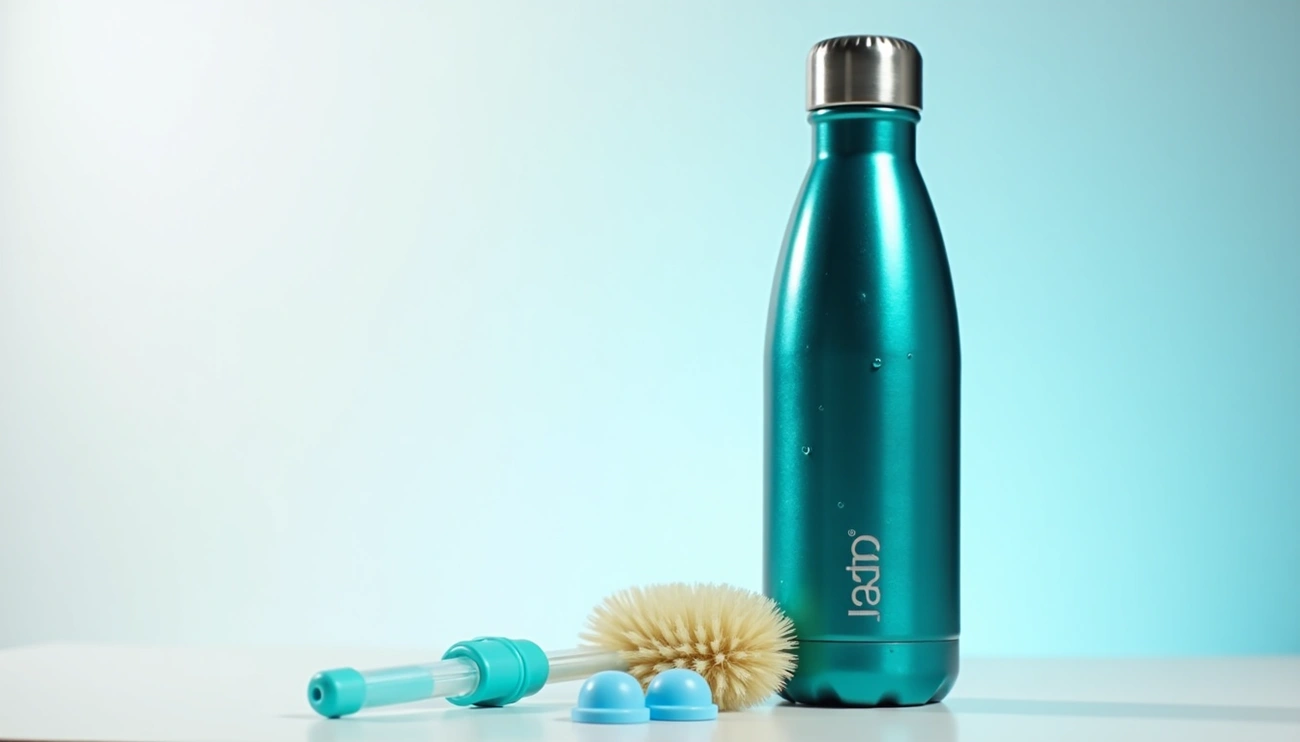
Yes, Owala water bottles are safe for everyday use. Owala bottles use BPA-free plastic or stainless steel materials and meet FDA food-contact safety standards. The bottles do not contain lead, phthalates, or harmful chemicals, making them safe for cold and room-temperature beverages.
In this article, we’ll examine Owala’s safety claims, explore its design features, discuss proper cleaning to prevent mould, and analyze Owala reviews to determine whether these popular bottles deserve a place in your daily routine.
Are Owala Bottles Really BPA- and Lead-Free?
The safety of water bottles goes beyond just preventing leaks and spills. Looking deeper into Owala’s materials, I found compelling evidence about their commitment to health-conscious manufacturing.
BPA-Free Certification and What It Means
Owala has eliminated guesswork about chemical exposure by making all their water bottles, tumblers, and kids’ products 100% BPA-free. This isn’t just a marketing claim—their products are certified BPA-free and meet the highest safety standards.
Notably, Owala goes beyond simply removing Bisphenol-A; they’ve also eliminated similar concerning chemicals like BPS (Bisphenol-S) and BPF (Bisphenol-F) that often substitute for BPA in other products. Instead, they use high-quality materials like Tritan plastic, which is known for being tough, odour-resistant, and food-grade safe.
Lead-Free Manufacturing Process
Unlike many competitors, Owala has employed innovative lead-free solder in its vacuum-sealed products from day one. According to manufacturing experts, producing vacuum-sealed containers using lead-free solder is more costly and technically challenging, yet Owala made this commitment as part of its founding principles.
This decision reflects their dedication to consumer safety, particularly meaningful given that lead exposure can cause serious health problems, including kidney damage, anemia, memory issues, and developmental problems in children.
Comparison with Other Brands Like Stanley
When examining major water bottle brands, I discovered significant differences in manufacturing approaches:
- Owala and Hydro Flask have never used lead in their manufacturing processes.
- Stanley, in contrast, has been identified as using lead solder in their manufacturing process.
- Brands like MiiR, LifeStraw, and Yeti have also confirmed using lead in their manufacturing.
Additionally, Klean Kanteen takes a different approach, using noncrystalline silica beads rather than lead to create vacuum-insulated bottles. This manufacturing comparison makes Owala stand out as a brand that prioritized health safety from inception rather than adapting later.
In evaluating if Owala bottles are truly safe, their comprehensive approach to eliminating both BPA and lead from their products demonstrates a commitment to safety that exceeds many industry competitors.
Design Safety: FreeSip Lid, Materials, and Ergonomics
Beyond material safety, the innovative design of Owala bottles plays a crucial role in both usability and health protection. Looking at how these bottles are engineered reveals thoughtful attention to everyday hydration needs.
FreeSip Lid: Sip or Chug Without Spills
The patented FreeSip spout stands out as Owala’s signature innovation—a clever 2-in-1 solution that eliminates the need to choose between sipping and chugging. Hold the bottle upright to sip through the built-in straw or tilt it back to drink from the wide-mouth opening. This dual-function technology earned Owala a spot on Time Magazine’s list of 200 best inventions for 2023. Moreover, this design decision wasn’t merely about convenience—it actually addresses the 35,000 decisions the average person makes daily by eliminating one small but frequent choice.
Ergonomic Spout and Leak-Proof Design
The ergonomic mouth spout is specifically designed around your mouth’s natural shape, a seemingly minor detail that significantly enhances drinking comfort. Consequently, the wide opening doubles as an efficient vent, making water flow smoothly through the straw. The lid features a spring-loaded cover that opens with a single button press and locks securely when pushed down, effectively keeping germs away from the drinking surface. In fact, the carry loop doubles as a lock mechanism, ensuring the bottle remains completely leak-proof.
Plastic Contact Points: Are They Safe?
For parts that come into contact with your mouth and beverages, Owala uses high-quality, food-grade materials. The company uses premium Tritan plastic—a durable, odour-resistant material that contains no BPA, lead, or phthalates. The FreeSip straw is fixed rather than rotating, making it easier to clean thoroughly compared to traditional pivot-style spouts, where bacteria can accumulate in hard-to-reach areas. This design choice simultaneously enhances both safety and hygiene.
Indeed, the bottle design prioritizes ease of maintenance, with quick disassembly and minimal hard-to-clean surfaces. All water-contact surfaces remain easily accessible for proper cleaning, reducing the risk of bacterial buildup that can occur in more complex lid designs.
Cleaning and Mould Prevention: What You Need to Know
Proper maintenance becomes crucial for any reusable water bottle you use daily. Regular cleaning not only keeps your water tasting fresh but also prevents potentially harmful bacteria and mould from developing.
Owala Water Bottle Mould Risks
Despite their sleek design, Owala bottles can harbour mould in hidden areas if not cleaned properly. Research shows that reusable water bottles can accumulate various bacteria that might cause illness. The most problematic areas include the silicone gaskets, the area under the lid, and where the straw inserts into the lid.
These small parts trap moisture, creating perfect conditions for mould growth. One viral TikTok video revealed mould “embedded itself into the silicone” of an Owala bottle, highlighting how these hidden areas require special attention.
Proper Cleaning Instructions from Owala
For everyday maintenance, Owala recommends rinsing your bottle with soap and warm water daily, especially if you use it for beverages other than water. For a thorough clean of the FreeSip bottle:
- Begin by fully disassembling all components (lid, spout, straw, gaskets, and key mechanism)
- Hand-wash each part with dish soap and a bottle brush.
- Alternatively, place the straw on the top rack of the dishwasher and the gaskets in the utensil case.
- Always air-dry all components completely before reassembly.
For stubborn residue, Owala suggests soaking components in distilled white vinegar for up to 24 hours, or using a baking soda and vinegar mixture for deeper cleaning.
Accessories for Better Hygiene (Brushes, Tablets)
Specialized tools make thorough cleaning much easier. Owala offers a 2-in-1 Bottle Brush specifically designed to reach narrow bottle spaces and small components. EcoBrite cleaning tablets provide another effective solution—simply soak disassembled parts for 5-10 minutes (or overnight for deeper cleaning). These self-dissolving tablets help reduce residual taste and odour without leaving harmful residues.
User Stories: Mould Poisoning from Water Bottle
A TikTok user named Kae shared her experience of recurring illnesses traced back to mould in her Owala bottle. After suffering from bronchitis, a sinus infection, and a severe cold with a painful sore throat over several months, she discovered black mould in the silicone component of her bottle.
Once she thoroughly cleaned it, her symptoms disappeared, suggesting the mould was indeed responsible for her illnesses. This case emphasizes why proper daily cleaning is essential—even for bottles only used for water.
Is Owala a Good Brand for Long-Term Use?
Examining the long-term value of Owala bottles reveals both strengths and limitations for everyday use.
Durability and Build Quality
The stainless steel Owala bottles typically last 5-10 years with proper care. During drop tests onto various surfaces, bottles sustained only minor dents and scratches. Primarily, the FreeSip lid presents the most vulnerable component, with its plastic locking loop, protective cover, and push button potentially breaking over time. Furthermore, the exposed metal spring in the lid mechanism may wear down with regular usage.
Customer Service and Warranty
Owala stands behind its products with a Limited Lifetime Warranty that covers defects in materials and workmanship. Accessories and soft goods are covered by a separate One-Year Limited Warranty.
Nonetheless, this coverage excludes damage from accidents or improper use. Fortunately, the company offers replacement lids, straws, and seals for purchase, eliminating the need to replace the entire bottle.
Owala Reviews from Real Users
Consumer experiences vary considerably:
- Positive feedback highlights excellent insulation, leak-resistance, and the innovative FreeSip lid.
- Many users report durability even after dropping bottles “down canyons, into rivers, on rocks.”
- Negative reviews mention paint chipping, leaks, and denied warranty claims.
- Several customers describe frustrations with unresponsive customer service.
Generally, Owala proves reliable for daily hydration needs, though perhaps not ideal for extreme conditions or rough handling.
Conclusion
After thoroughly examining Owala water bottles, I can confidently say they are among the safer options on the market today. Their commitment to using BPA-free materials and lead-free solder from day one sets them apart from competitors like Stanley, who implemented these practices later. This proactive approach to safety certainly gives Owala an edge.
The innovative FreeSip lid deserves praise for both its functionality and thoughtful design. However, this same design can create hiding places for mould and bacteria if not properly maintained. Regular cleaning remains absolutely essential, especially for those silicone components where moisture can linger. Users should take the viral TikTok cases seriously—proper disassembly and thorough cleaning must become part of your routine.
Durability-wise, Owala bottles generally perform well under normal conditions. Though the stainless steel bodies withstand most drops and bumps, the plastic lid components may deteriorate more quickly with heavy use. Their Limited Lifetime Warranty offers some reassurance, though it excludes accidental damage.
