Yes, Boon Nursh bottles are dishwasher safe when placed on the top rack. Both the plastic shell and the collapsible silicone pouch are designed for easy cleaning and can go in the dishwasher. Boon bottles also support sterilization by boiling or freezing, ensuring safe and hygienic reuse.
What Is Boon Bottles?
Boon bottles stand out in the baby bottle market due to their unique construction and innovative design. Before diving into their dishwasher safety, let’s explore what makes these bottles special and why they’ve become a favorite among parents.
What are Boon bottles made of?
Boon NURSH bottles primarily feature two materials – silicone and polypropylene. The inner pouch is made of 100% food-grade silicone that directly contacts the milk or formula. This silicone component is completely free from harmful chemicals like BPA and PVC, providing peace of mind for safety-conscious parents.
The outer shell typically consists of polypropylene plastic that provides structure without touching the liquid inside. According to detailed testing, both the silicone and plastic components have been found to contain no unsafe levels of toxicants.
Design features that affect cleaning
The revolutionary aspect of Boon bottles is their air-free feeding design. The inner silicone pouch collapses as your baby drinks, which squeezes out air that typically causes colic and gas. Unlike conventional bottles, Boon NURSH bottles don’t require straws, vents, or valves to function properly. This simplified design makes them remarkably easy to clean – the silicone pouch can be flipped inside out for thorough washing.
Additionally, all components are designed for versatile cleaning methods. The silicone parts can be:
- Boiled for sterilization
- Microwaved safely
- Frozen when needed
- Sterilized in standard baby bottle sterilizers
Why parents choose Boon bottles
Parents primarily select Boon bottles because they help reduce common feeding issues. The collapsible pouch design minimizes air ingestion, consequently decreasing painful gas, reflux, colic, and excessive burping.
The nipple design mimics the natural form and feel of breastfeeding, encouraging proper latch and tongue positioning. This makes Boon bottles particularly popular among breastfeeding mothers who need occasional bottle options.
Moreover, these bottles grow with your child through adaptable attachments. The same bottle can transform into a sippy cup, straw cup, or even food storage container as your child develops. This versatility saves money and storage space while providing long-term value.
Finally, parents appreciate that milk only touches silicone surfaces – considered by many to be among the safest materials for baby products. The minimal parts also make assembly straightforward, especially valuable during middle-of-the-night feedings.
Are Boon Bottles Dishwasher Safe?
When it comes to cleaning baby products, convenience often competes with safety concerns. Let’s explore what we know about Boon bottles and dishwasher compatibility.
What the manufacturer says
The official word from Boon Inc. is clear regarding their Nursh bottles: “Top rack dishwasher-safe or hand wash in warm, soapy water”. This straightforward statement confirms that yes, these bottles can safely go in the dishwasher.
For other Boon products, the company provides specific cleaning instructions per item. Their Swap Baby Utensils, for instance, come with this guidance: “Dishwasher-safe or hand wash in warm, soapy water. May be boiled or sterilized”.
Top rack vs bottom rack: what’s safe?
Placing Boon bottles on the top rack isn’t just a suggestion—it’s essential for proper care. The top rack position minimizes direct exposure to high heat from the dishwasher’s heating elements.
Many parents confirm this practice in their routines: “We put the Nursh bottle sleeves on the top rack like we do cups. The nipples go flat on the top rack”. Never place Boon bottle components on the bottom rack, as the intense heat could potentially warp or damage the materials.
Can you put Boon bottles in the dishwasher daily?
Regular dishwasher cleaning appears safe for Boon bottles based on user experiences. Some parents report: “I have 2 sets of bottles that get cleaned in the dishwasher every other day”. Nevertheless, inspecting your bottles regularly for signs of wear is prudent with any frequent washing method.
Are Boon baby bottles dishwasher safe for all parts?
Not all Boon bottle components have identical dishwasher compatibility. From user experiences:
- Silicone pouches: Dishwasher safe on top rack
- Outer plastic shells: Safe on top rack
- Nipples: Should be placed flat on top rack
- Rings and caps: Can be secured in the dishwasher basket
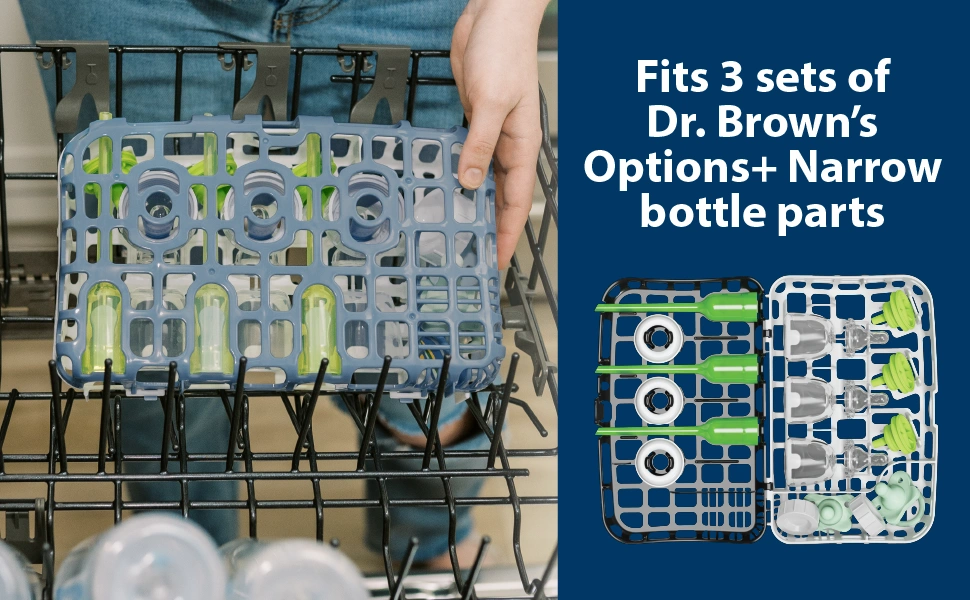
For best results, use a dishwasher basket for smaller parts to prevent them from falling into the heating element or getting lost. This practice helps maintain all components in optimal condition throughout their usable life.
Dishwasher Safety Tips for Boon Bottles
Keeping your baby’s feeding equipment clean is essential for their health. Let’s explore proper dishwasher techniques specifically for Boon bottles to maintain their quality and safety.
Disassemble all parts before washing
Initially, complete disassembly is crucial for thorough cleaning. Take apart all components including bottle caps, nipples, bottle rings, and any other small parts or valves. This exposes each component to the dishwasher’s cleaning action, ensuring no hidden areas retain milk or formula residue. Complete disassembly allows water to reach every surface, removing potential buildup that could harbor bacteria.
Use a dishwasher basket for small parts
Boon’s Clutch dishwasher basket is specifically designed for this purpose. This unique basket holds small sippy cup and bottle parts securely during washing. The clamshell design prevents tipping, making loading and unloading bottle parts straightforward. One impressive feature is that it holds up to 6 large or 14 small nipples, plus additional parts for up to 8 bottles. First thing to remember: place nipples upright in the designated spaces to prevent water collection.
Avoid high heat drying cycles
High heat can potentially damage plastic components over time. Instead, use the standard wash cycle without the heat dry setting. Once the washing cycle completes, promptly remove all bottle parts and let them air dry on a clean dishcloth – never pat them dry.
Check for wear and tear after each wash
Following each dishwasher cycle, inspect all components for signs of damage or deterioration. Look for cracks, warping, or discoloration that might indicate the material is breaking down. In this case, replace any compromised parts immediately to ensure your baby’s safety. Remember that even dishwasher-safe items will eventually show wear with repeated washing.
Alternative Cleaning and Maintenance Advice
Despite Boon bottles being dishwasher safe, hand washing sometimes proves more efficient. Many parents find that manual cleaning takes just 8 minutes compared to 7 minutes of dishwasher prep time – plus the actual cycle duration. Hand washing gives you more flexibility and less angst than running them through the dishwasher. Opt for hand washing primarily when:
- You need bottles quickly between feedings
- You notice soap residue building up (try unscented Castille soap if this occurs)
- You’re dealing with silicone parts that might absorb flavors over time
Regarding sterilization, Boon confirms their bottles “can be sterilized in microwave or using sterilizing equipment”. For babies under 2 months, born prematurely, or with weakened immune systems, sanitize feeding items at least once daily. Three effective methods include:
- Boiling items for 2-5 minutes
- Steam sterilization (microwave or electric)
- Soaking in bleach solution (2 teaspoons unscented bleach per gallon of water for 2 minutes)
For optimal storage, place dried bottles in a clean, protected area to prevent contamination. Surprisingly, air-drying on a clean towel proves more hygienic than using a drying rack since racks may trap moisture and allow mold growth. Essentially, storing completely dry bottles assembled minimizes exposure to airborne particles.
Conclusion
Boon bottles offer parents a safe, convenient solution for feeding their little ones while minimizing common issues like colic and reflux. Throughout this guide, we’ve established that these innovative bottles are indeed dishwasher safe when placed on the top rack. Nevertheless, proper care requires attention to detail – disassembling all components before washing and using a specialized basket for smaller parts.
Parents should remember that high heat drying cycles can damage plastic components over time. Therefore, air drying remains the safest option after dishwasher cleaning. Regular inspection for wear and tear after each wash cycle ensures your baby’s bottles remain in optimal condition.
Although dishwasher cleaning works well, hand washing provides an equally effective alternative, especially when you need bottles quickly between feedings. Additionally, sterilization through boiling, steam, or bleach solution offers extra protection for newborns or babies with compromised immune systems.
